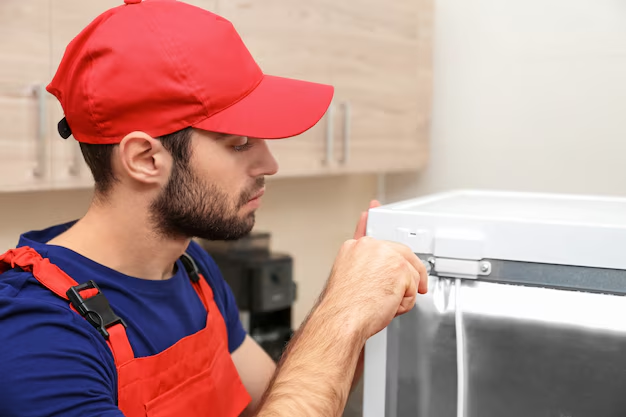
Is Your Refrigerator Door Not Closing Properly? Here's How to Fix a Refrigerator Gasket
Your refrigerator is one of those household appliances that you don't usually think about until something goes wrong. When your refrigerator door doesn't close properly, the problem might not be as daunting as it seems. One of the most common culprits is the gasket, the rubber seal around the door that maintains the internal temperature by creating a barrier between the inside of the fridge and the outside environment. When this gasket becomes worn or damaged, it can lead to higher energy costs, spoiled food, and an overworked refrigerator.
Why the Gasket Matters
Refrigerator gaskets are vital to the efficient operation of your appliance. They prevent warm air from entering, which helps your refrigerator maintain its set temperature without exerting extra energy. Over time, however, these gaskets can wear out, become brittle, or even detach from the door frame. This can lead to:
- Increased energy bills: With warm air seeping in, your fridge has to work harder to keep cool.
- Food spoilage: Inadequate sealing can lead to fluctuating temperatures, affecting food quality.
- Stress on the compressor: The more the refrigerator has to work to cool down, the more strain it puts on the parts, leading to potential breakdowns.
Signs Your Refrigerator Gasket Needs Attention
Before diving into the solution, it’s important to recognize the signs of a faulty gasket:
- Visible cracks or tears: Over time, gaskets can develop physical damages that prevent a tight seal.
- Condensation: If you notice moisture or frost buildup around the edges of the door, it could be due to a leaking gasket.
- Increased energy consumption: An unexplained rise in energy usage could indicate a sealing issue.
- Uneven door closure: If the door doesn't sit flush with the frame, the gasket might be the problem.
How to Fix Your Refrigerator Gasket
Tools You’ll Need
Before you start, gather the following tools:
- Screwdriver (check if your fridge requires a specific type)
- Hairdryer or heat gun
- Warm, soapy water and a sponge
- Towel for drying
- Talcum powder (optional)
Step-by-Step Guide to Fixing or Replacing a Gasket
Step 1: Inspecting the Gasket
Begin by closely examining the gasket for any damage or dirt. Pay attention to:
- Visible tears, rips, or detachments
- Build-up of grime or mold that could compromise the seal
Step 2: Cleaning the Gasket
Sometimes, a simple cleaning can restore the effective seal of your refrigerator.
- Mix warm soapy water and gently scrub the gasket with a sponge to remove dirt and grime.
- Dry the gasket thoroughly with a towel to prevent moisture-related issues.
Step 3: Testing the Seal
Use the dollar bill test to check the gasket's effectiveness:
- Close the refrigerator door on a dollar bill.
- If you can easily pull the bill out, the gasket may not be sealing properly.
- Test this in various spots around the door to determine if this is an isolated issue or if the entire gasket needs attention.
Step 4: Repairing Minor Damage
If your gasket has minor cracks or is slightly misaligned:
- Use a hairdryer or heat gun on a low setting to gently warm the gasket.
- This heat can help the gasket become more pliable, allowing you to reshape it or smooth out minor dents.
- As it cools, the gasket should set in the correct alignment. Be cautious with the heat to avoid further damage.
Step 5: Replacing the Gasket
For severe damage or age-related wear, replacement might be necessary:
- Purchase the correct gasket: Check the appliance label inside your refrigerator for the model number to order the precise fit from a dealer.
- Remove the old gasket: Use a screwdriver to loosen and remove any screws holding the gasket in place.
- Fit the new gasket: Align the new gasket and work your way around the door frame, ensuring a snug fit in the channel. Tighten screws as necessary without overtightening, as this could damage the gasket.
- Test for effectiveness by repeating the dollar bill test. Adjust if needed.
Maintaining Your Refrigerator Gasket
Preventive maintenance can extend the life of your gasket significantly. Here’s how:
- Regularly clean the gasket with mild detergent and water to prevent buildup of dirt and mold.
- Inspect every few months for signs of wear or looseness and fix minor issues promptly.
- Apply talcum powder periodically to ensure the gasket remains pliable and doesn’t stick to the frame.
Common Questions About Refrigerator Gaskets
How Often Should I Replace My Refrigerator Gasket?
A well-maintained refrigerator gasket can last several years. It's best to inspect it regularly for signs of wear and replace it if you notice any compromising damage.
Can I Use Any Gasket for My Refrigerator?
No, it is crucial to get a gasket that matches your refrigerator’s make and model to ensure a proper seal.
What Causes Gasket Damage?
Common culprits include continuous exposure to elements, lack of cleaning, abrupt temperature changes, and the natural aging process of the rubber material.
Summary of Key Points 🎯
- Symptoms: Look for visible damage, improper door closure, or an increase in energy usage.
- Tools Required: Basic tools like a screwdriver, hairdryer, soapy water, and a sponge.
- Maintenance Tips:
- Clean regularly to prevent dirt buildup.
- Conduct the dollar bill test for sealing efficacy.
- Use warmth to help reshape slightly misshaped gaskets.
- Consider replacement if significant damage is evident.
Taking care of your refrigerator’s gasket is an essential part of household maintenance that can save you money and preserve the lifespan of your appliance. By understanding how to inspect, clean, and if necessary, replace your gasket, you can ensure it functions as it should. Remember, a well-sealed refrigerator not only helps in conserving energy but also keeps your food fresh and ensures the longevity of your appliance. Happy fixing! 🛠️