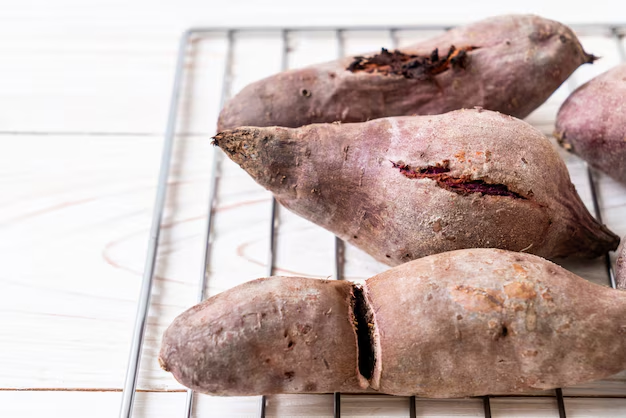
Should You Store Sweet Potatoes in the Refrigerator? A Comprehensive Guide
Sweet potatoes are a beloved staple in kitchens around the world, celebrated for their versatility, nutritional content, and delightful sweetness. But when it comes to storing them, opinions often vary. One common question is whether sweet potatoes should be kept in the refrigerator. This guide will explore the best practices for storing sweet potatoes, providing key insights and practical solutions to help you extend their shelf life effectively.
🖼️ Why Sweet Potatoes are Different from Regular Potatoes
Before diving into the specific storage conditions, it’s important to understand what makes sweet potatoes unique. Unlike regular potatoes, sweet potatoes are part of the morning glory family and have a higher sugar content and different starch structure. These characteristics affect how they should be stored to maintain quality and flavor.
Nutritional Spotlight on Sweet Potatoes
Sweet potatoes are rich in vitamins, especially vitamin A, reinforcing their reputation as a nutritious food source. They also contain dietary fiber, antioxidants, and minerals, making them a healthy addition to any diet. This nutritional profile influences how they should be stored to preserve their benefits.
❄️ Can You Refrigerate Sweet Potatoes?
The idea of storing sweet potatoes in the refrigerator might seem logical, especially if you’re used to refrigerating other vegetables. However, refrigeration might not be the best option for sweet potatoes.
Effects of Refrigeration on Sweet Potatoes
- Texture Changes: The cold temperature can cause sweet potatoes to develop a hard center and alter their texture, making them less enjoyable to eat.
- Flavor Alteration: Prolonged exposure to cold conditions can change the sugar content, impacting the sweet flavor sweet potatoes are known for.
- Shelf Life Reduction: Paradoxically, refrigerating sweet potatoes can decrease their shelf life due to moisture build-up, which leads to spoilage.
In essence, refrigerating sweet potatoes is not recommended as it might compromise their texture and flavor while potentially shortening their shelf life.
📦 Best Practices for Storing Sweet Potatoes
To keep sweet potatoes fresh and flavorful, proper storage techniques should be employed. Here are some time-tested methods for storing sweet potatoes:
Store in a Cool, Dry Place
- Away from Direct Sunlight: Light can encourage sprouting and premature spoilage.
- Consistent Temperature: Aim for a storage area with temperatures between 55°F and 60°F (13°C and 16°C). This environment mimics root cellars traditionally used for root vegetables.
Use Proper Ventilation
- Avoid Plastic Bags: Opt for breathable materials like paper bags or burlap sacks which allow air circulation, reducing moisture accumulation and the risk of mold.
Optimal Containers
- Baskets or Open Containers: Using breathable containers allows air to circulate, maintaining a stable environment that reduces the risk of moisture-related spoilage.
🔥 Key Tips for Storing Sweet Potatoes 🥔
- Keep in a cool, dry pantry or cellar.
- Use paper bags or baskets for ventilation.
- Avoid direct sunlight to prevent early sprouting.
🍽️ Preparing and Using Stored Sweet Potatoes
Once you've mastered storing sweet potatoes, it's time to think about preparation methods that unlock their full flavor potential.
Cooking Tips
- Baking: This method enhances the natural sweetness and preserves nutrients.
- Boiling and Mashing: Ideal for dishes requiring a smooth texture.
- Grilling or Roasting: Offers a caramelized exterior with a tender interior.
Usage Ideas
Sweet potatoes can be used in a myriad of ways, from classic casseroles to more inventive applications such as sweet potato fries, soups, and even baked goods. Their versatility makes them a staple for any home chef looking to prepare a nourishing meal.
🛒 When to Purchase New Sweet Potatoes
Knowing when and how to select fresh sweet potatoes is essential for maximizing their shelf life.
Selection Tips
- Firmness: Choose sweet potatoes with smooth, unblemished skin.
- Size Doesn’t Matter: Both large and small sweet potatoes offer the same taste and nutritional benefits as long as they’re firm.
Seasonality
Sweet potatoes are typically harvested in fall, making this the best time for purchasing fresh and potentially local options, but they are available year-round.
🔔 Visual Summary: Sweet Potato Storage Tips
Here's a quick reference to help you remember the best practices for storing sweet potatoes:
- 🥔 Avoid Refrigeration: Prevents texture and flavor changes.
- 🏠 Store Cool & Dry: Ideal temperature between 55-60°F.
- 🌬️ Ventilation is Key: Use paper bags or breathable containers.
- 🌞 Protect from Sunlight: Keeps potatoes from sprouting.
🧐 Understanding Spoilage and Shelf Life
Even with optimal storage practices, sweet potatoes will eventually spoil. Knowing the signs of spoilage helps in managing your stock efficiently.
Signs of Spoilage
- Sprouting: While not harmful, excessive sprouting indicates aging. Simply cut away any sprouts before use.
- Soft Spots: Indicates internal decay. Discard these parts or the entire potato if extensively affected.
- Mold: Visible mold on the surface means the potato should be discarded entirely to avoid exposure to harmful bacteria.
Estimated Shelf Life
Stored properly, sweet potatoes can last several weeks, sometimes up to a month or more, depending on the variety and freshness at the time of purchase.
🌿 Eco-Friendly Storage Practices
Incorporating eco-conscious habits aligns with a sustainable lifestyle that benefits both your kitchen and the environment.
Use Natural Storage Materials
- Burlap Sacks or Wooden Crates: Minimize plastic use and support reuse.
Compost Spoiled Vegetables
- Spoiled sweet potatoes can be composted unless they exhibit mold, adding nutrients back to your garden.
Final Thoughts: Maximizing Sweet Potato Freshness
Storing sweet potatoes correctly ensures you retain their wholesome goodness and add vibrant flavor to your meals. By avoiding refrigeration and opting for a cool, dry, and well-ventilated storage space, you can extend their shelf life and maximize their culinary potential. Remember that proper selection at the market and understanding the signs of spoilage are equally crucial to enjoying sweet potatoes at their best. With these tips, you’re well-equipped to incorporate this delicious vegetable into your dishes year-round.