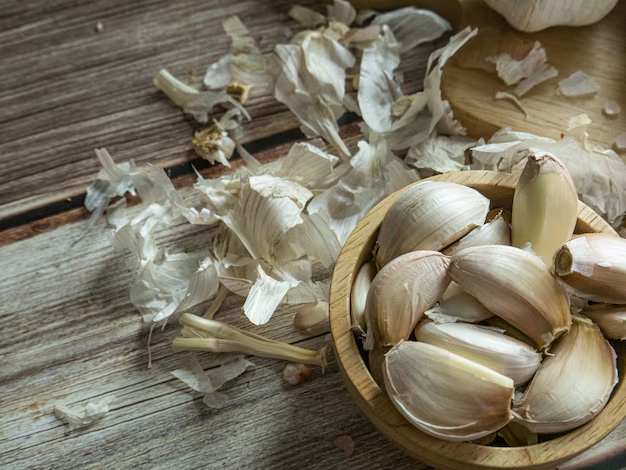
Can You Keep Garlic Fresh in the Refrigerator? Exploring the Best Storage Practices
Garlic is a staple in kitchens around the world, known for its distinctive flavor and health-promoting properties. However, when it comes to storage, questions often arise about whether garlic cloves can be kept in the refrigerator. Let’s delve into this topic, examining storage options, and ultimately empowering you to make the best choices for your culinary endeavors.
🧄 Understanding Garlic: The Basics
Garlic, a member of the allium family alongside onions and leeks, grows as a bulb beneath the soil. Each bulb comprises cloves, which are used in cooking. While garlic is robust, improper storage can compromise its taste and texture.
Key Characteristics of Garlic:
- Flavor Profile: Pungent, spicy, and sharp when raw; mellow and sweet when cooked.
- Health Benefits: Contains compounds like allicin that are believed to have antioxidant and anti-inflammatory effects.
- Varieties: Softneck and hardneck are the main types, with numerous sub-varieties.
To keep garlic fresh and flavorful, understanding its storage requirements is crucial.
Why Refrigerate Garlic? Pros and Cons
Pros of Refrigerating Garlic
- Extended Shelf Life: Refrigerating garlic can prolong its usability by slowing down sprouting.
- Pest Protection: Refrigeration keeps garlic safe from pests, which might affect it if stored improperly.
- Lower Humidity: The controlled environment of a refrigerator reduces the risk of mold.
Cons of Refrigerating Garlic
- Texture Changes: Refrigeration can alter the texture, making it spongy or soft.
- Flavor Striping: Cold temperatures can reduce the pungency of garlic.
- Sprouting: While refrigeration can halt sprouting for a time, once removed, the process may accelerate.
Alternative Garlic Storage Methods
Refrigeration isn’t the only way to store garlic. Let’s explore some other methods:
1. Room Temperature Storage
Ideal Conditions:
- Store at room temperature in a dry, well-ventilated container.
- Ceramic or mesh containers are excellent for airflow.
Benefits:
- Maintains flavor and texture.
- Convenient for frequent use.
2. Freezing Garlic
How To:
- Peel and chop garlic before placing it in airtight containers or freezer bags.
Pros:
- Extends shelf life significantly.
- Preserves flavor well.
Cons:
- Texture changes upon thawing.
3. Preserving in Oil
Caution:
- Garlic-in-oil mixtures must be refrigerated and used within a week to prevent botulinum toxin formation.
4. Dehydration and Powdering
Steps:
- Dry garlic cloves in a food dehydrator or oven and grind them into powder.
Advantages:
- Long-lasting with intense flavor.
Practical Tips for Storing Garlic
Here are some tips to ensure garlic stays fresh and flavorful, no matter the storage method you choose:
- Keep dry and ventilated: Whether in the fridge or at room temp, moisture reduction is key.
- Separate bulbs: For long-term storage, avoid breaking the bulb until you need to use the cloves.
- Avoid tight plastic: Plastic can trap moisture, leading to mold.
📝 Quick Reference: Garlic Storage Tips
Here’s a handy summary to keep your garlic fresh and bursting with flavor:
| Method | Pros | Cons |
|---|---|---|
| Refrigeration | Extended shelf life, pest protection | Texture changes, flavor loss |
| Room Temp | Maintains texture and flavor | Limited shelf life, sprouting |
| Freezing | Preserves flavor, extends life | Texture change upon thawing |
| Oil Preserving | Convenient, ready to use | Potential botulinum risk |
| Dehydration | Intense flavor, long shelf life | Loss of freshness overtime |
Exploring Related Topics
Understanding Garlic Spoilage
Even with the best practices, it’s important to know the signs of spoilage:
- Visible Mold: Green or white fuzz.
- Sprouting: Indicates age but not necessarily spoilage; can still be used if the sprout is removed.
- Soft Spots: Cloves should be firm; soft spots indicate decay.
Maximizing Garlic’s Health Benefits
To maximize the health benefits of garlic in your diet:
- Raw Consumption: Provides the most allicin, which diminishes with cooking.
- Crush and Wait: Crushing garlic and letting it sit for 10 minutes before cooking can enhance its benefits.
Cooking with Garlic: Enhancing Flavors
Different cooking methods can enhance the flavor profile of garlic:
- Roasting: Sweetens and softens the garlic, perfect for spreads.
- Sautéing: Brings out a milder, nutty flavor ideal for bases in recipes.
Final Insights
Choosing the best garlic storage method depends on your usage needs, storage conditions, and personal preferences. Whether you opt for refrigeration, room temperature, or other methods, each has its pros and cons. Understanding these can help ensure your garlic remains a star ingredient in your kitchen, enriching every dish with its unique and irresistible flavor.
By implementing these tips and insights, you’ll keep your garlic fresh, flavorful, and ready to elevate your culinary creations to new heights. Enjoy the depth of flavor and versatility that garlic brings to your table, and happy cooking!
Remember, how you store garlic may impact its quality and longevity, so select the method best suited to your culinary habits and enjoy the vibrant flavors garlic brings to your dishes. 🧄