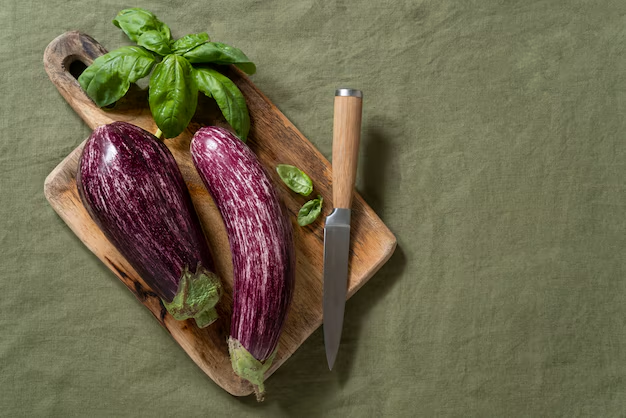
Should You Store Your Eggplant in the Refrigerator? An In-Depth Guide on Proper Eggplant Storage
Eggplant—also known as aubergine in some parts of the world—is a vegetable loved for its versatility in the kitchen, making its way into diverse dishes across multiple cuisines. However, when it comes to storage, many home cooks often find themselves puzzled. Should eggplant be kept in the refrigerator, or should it sit at room temperature on your kitchen counter? This guide takes a comprehensive look at effective eggplant storage, ensuring you maintain its freshness, flavor, and texture for as long as possible.
The Nature of Eggplant: Understanding Its Composition
Before diving into storage methods, it's essential to understand the nature of eggplant itself. Eggplants are part of the nightshade family, which also includes tomatoes, bell peppers, and potatoes. They have a unique spongy texture that can easily absorb moisture, air, and other external elements, which explains why their storage conditions can significantly affect their quality.
Key Characteristics of Eggplant
- High Water Content: Eggplants have a high water content, which means they can dry out quickly if not stored properly.
- Sensitive to Cold: Although often stored in cold environments, eggplants can be quite sensitive to cold temperatures, particularly if they dip below 50°F (10°C).
- Bruising and Tearing: The skin can bruise easily, which leads to faster spoilage.
Understanding these characteristics helps elucidate why eggplant storage can vary based on conditions and preferences.
Room Temperature vs. Refrigeration: Sorting out the Debate
Many people err on the side of caution by storing most veggies in cooler environments, but the question remains—does eggplant belong in the refrigerator?
Benefits and Drawbacks of Refrigerating Eggplant
Pros:
- Slows Spoilage: Refrigeration can slow down the ripening process and extend the eggplant's shelf life.
- Inhibits Mold Growth: A cooler environment can help to prevent mold from developing on the skin.
Cons:
- Chill Injury: Exposure to temperatures below 50°F (10°C) can cause eggplant to suffer from chill injuries, leading to browning and pitting on the flesh.
- Texture and Flavor: Prolonged refrigeration can alter both the texture and flavor, making it rubbery or leaving it tasting bland.
The Case for Room Temperature Storage
Eggplants prefer a somewhat similar environment to avocados or tomatoes—a cool, dark place away from excess moisture can be beneficial.
- Natural Ripening: At room temperature, eggplants can continue to ripen naturally, enhancing their flavor profile.
- Short-Term Storage: It is ideal for those who plan to use the eggplant within a few days after purchase.
Conclusion: Striking the Right Balance
The key is to avoid extremes. For short-term use, keeping eggplant on a counter, perhaps shaded and away from direct sunlight, works well. For longer-term storage, refrigerate but ensure the temperature isn't too low, and aim to use the eggplant within a week to maintain the best quality.
Practical Tips for Storing Eggplant
Here's a handy summary of tips to help maximize your eggplant's freshness:
- 🌡️ Temperature Control: Keep eggplant cool, not cold. Avoid temperatures below 50°F (10°C).
- 💧 Minimize Moisture: Avoid washing until just before use to reduce moisture, which can speed up spoilage.
- 🛍️ Wrap It Right: If storing in the fridge, place the eggplant in a breathable bag to allow air circulation while protecting against excessive chill.
- 🕒 Use Within a Week: Plan meals so you can use your eggplant within a week of purchase if stored in the refrigerator.
- 🌿 Keep It Natural: Store away from other fruits that release ethylene gas (e.g., bananas, apples) to avoid over-ripening.
Other Considerations and Questions
While storage is paramount for maintaining eggplant’s quality, additional factors can influence your decision on how best to keep it.
What About Organic vs. Conventional?
Organic eggplants may require a slightly more attentive storage approach since they often don't have waxes that help conventional produce last longer. Both organic and non-organic varieties prefer similar storage conditions, but vigilance about the ripeness and freshness becomes even more critical when dealing with organic produce.
How Does Seasonality Affect Eggplant Storage?
Eggplants are generally in season from late summer into early fall. Buying in season typically means you're getting fresher and possibly locally sourced produce, potentially lengthening shelf life. Out-of-season eggplants often travel long distances, occupying more supply chain stages that might affect storage requirements.
Maximizing Eggplant’s Potential: Culinary Considerations
Eggplant shines as a culinary ingredient when fresh and properly stored, but it also raises a pertinent question—how do you know your eggplant is ready for cooking?
Signs of a Fresh Eggplant
- Firmness: The skin should be taut and vibrant in color, with a firm to slightly springy feel.
- Weight: Fresh eggplants feel heavy for their size, indicating plumpness and moisture content.
Signs of a Spoiled Eggplant
- Soft Spots: These are the first signs of spoilage and indicate that the eggplant is past its prime.
- Discoloration: Brown or dull spots on the skin generally indicate overripeness or spoilage.
- Off Smell: While eggplants should have a neutral aroma, a sharp or pungent odor might spell spoilage.
🔍 Quick Check: Conduct a brief inspection before adding eggplant to your grocery cart or pantry, checking for these signs to ensure the freshest pick.
A Closer Look: Global and Cultural Perspectives on Eggplant Storage
It's insightful to explore how different cultures and regions store and treat eggplant, reflecting not just culinary differences but also varying climatic conditions.
Mediterranean Methods
In Mediterranean climates where eggplants grow natively, they are often harvested directly before use, emphasizing immediacy and freshness without the need for prolonged storage.
Asian Approaches
Several Asian cuisines involve pickling and preserving eggplants, offering another dimension to the concept of storage while introducing varied flavors and textures.
Making the Most Out of Your Eggplant
Harnessing the full potential of eggplant translates directly into your culinary creations. A focus on proper storage and timely usage guarantees an eggplant that's ready to impress in dishes like:
- Eggplant Parmesan: Capturing the velvety interior and tender bite.
- Baba Ganoush: Smoked or grilled for depth in flavor.
- Ratatouille: Showcasing vibrant vegetable medleys.
Eggplant’s versatility means any dishing can transform it into a savory masterpiece worthy of spotlight.
Closing Thoughts
Eggplant storage involves understanding its delicate makeup and how best to manage environment conditions to maintain its integrity. While refrigeration holds its merits, appreciating the nuanced needs of this vegetable—like many others—is essential for culinary success. By considering these comprehensive insights and adopting suitable practices, you empower yourself to make informed decisions, preserving the quality and taste of your eggplants for all your delightful culinary adventures. 🧑🍳🥗