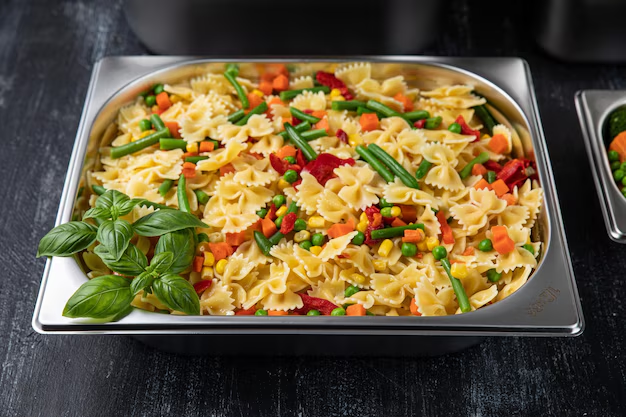
The Ultimate Guide to Storing Cooked Pasta in the Refrigerator: How Long Is It Safe?
Cooked pasta is a staple in many households, loved for its versatility and the comfort it brings in a meal. However, knowing how to properly store it and, importantly, understanding how long cooked pasta can safely stay in the refrigerator is crucial to avoid food waste and maintain food safety. In this guide, we delve into best practices, storage tips, and how to identify signs of spoilage. Whether you're meal-prepping or dealing with leftovers, this comprehensive guide will equip you with the knowledge you need.
🍝 Understanding How Long Cooked Pasta Lasts in the Refrigerator
Cooked pasta can generally be stored in the refrigerator for 3-5 days, depending on several factors, including how it was cooked and stored. The key to getting the most out of your stored pasta lies in understanding these factors.
Factors Affecting Shelf Life
Several elements can influence how long cooked pasta remains fresh in the fridge:
Type of Pasta: Different pasta shapes and ingredients can slightly vary in how long they last. For example, pasta made with eggs may not stay fresh as long as others.
Storage Conditions: Proper refrigeration at or below 40°F (4°C) is crucial. The cooler the environment, the longer the pasta will last.
Cooked Status: Pasta overcooked to a soft texture spoils faster than pasta cooked al dente (firm to the bite).
Mix-Ins: Adding sauces, proteins, or vegetables can alter the shelf life of pasta, typically reducing it due to potential bacterial growth.
Maximizing Freshness
To ensure cooked pasta remains safe to eat during this time, consider following these storage tips:
Cool Quickly: After cooking, aim to refrigerate pasta within two hours. The quicker it's cooled and stored, the lesser the chance of bacterial growth.
Use Airtight Containers: Store pasta in airtight containers to prevent moisture loss and protect against odors from other foods.
Keep It Separate: If possible, store pasta and sauce separately to prolong shelf life for both components.
🥣 Storing Different Types of Pasta
Understanding the nuances of storing various types of pasta can help extend their freshness.
Traditional Pasta
Traditional pasta typically includes wheat-based varieties such as spaghetti, penne, and fusilli. These can last around 3-5 days in the fridge when properly stored. Ensure they're cool before sealing them in air-tight containers to maintain their texture and flavor.
Fresh Pasta
Fresh pasta, often made with eggs and less processed, has a shorter refrigerator shelf life, lasting up to 2-3 days. Freezing might be a better option if you plan to keep fresh pasta longer.
Whole Grain and Gluten-Free Pasta
Whole grain and gluten-free pasta have a similar shelf life to traditional pasta, although some brands may have specific guidelines. These types may absorb moisture differently, so ensuring they're fully cooled and stored in a dry, airtight container is essential.
Filled Pasta
Ravioli, tortellini, and other filled pastas are quite sensitive due to their fillings. They should be consumed within 1-2 days. The fillings, especially cheese or meat, can encourage faster spoilage.
😊 Identifying Spoiled Pasta
Sometimes, spoiled pasta might not be evident at first glance. Here are some clues to look for:
- Off-Smell: If the pasta smells sour or has an unusual odor, it's likely gone bad.
- Mold: Visible mold or discoloration on pasta or sauce is a definite sign to discard it.
- Texture: A slimy texture indicates bacterial growth.
Action Steps if Spoilage is Suspected
- Safety First: When in doubt, throw it out. Consuming spoiled pasta can lead to foodborne illness.
- Clean Storage: After discarding spoiled food, clean the storage container thoroughly before using it again.
📋 Practical Storage Tips for Cooked Pasta
Implementing practical strategies for storing cooked pasta can save time and prevent waste.
Freezing for Longevity 🌬️: For longer storage beyond a week, freezing is an excellent option. Portion your pasta into freezer-safe bags or containers and label them with the date. This allows for easy meal prep and singular portion defrosting.
Meal Prep Considerations: If you regularly cook in batches, consider keeping sauces, toppings, and pasta separate until you’re ready to serve. This keeps components fresher for longer and allows for versatility in meal planning.
Utilize Leftover Pasta Wisely: Transform leftovers creatively to avoid monotony and waste. Use in salads, soups, or even to create a pasta bake.
Temperature Awareness 🌡️: Regularly check your refrigerator temperature to ensure it stays at or below 40°F, maintaining optimal conditions for food storage.
🤔 Debunking Common Pasta Storage Myths
Myth 1: Rinsing Pasta Extends Shelf Life
While rinsing pasta after cooking stops the pasta from cooking further, it does not extend its shelf life. In fact, rinsing removes the starches that can help bind sauces and ingredients together.
Myth 2: Adding Oil Lengthens Storage Time
Adding oil to cooked pasta does not necessarily increase its lasting power in the fridge. It may prevent sticking, but it is more beneficial during immediate serving rather than for storage.
Myth 3: You Can't Freeze Sauced Pasta
While it's generally recommended to store plain pasta separately, sauced pasta can still be frozen. For best results, freeze portions appropriately and use within a couple of months for optimal taste and quality.
🗂️ Quick Tips for Safe Pasta Storage
Here’s a handy summary of the key points for keeping your cooked pasta fresh and safe:
- 🌟 Refrigerate Within Two Hours: Ensure rapid cooling and refrigeration after cooking.
- 🗄️ Use Airtight Containers: Prevent moisture and odor exchange.
- 🍖 Separate Add-Ins: Store mixed items separately if possible.
- ⏳ Observe Time Limits: Aim to consume within 3-5 days, depending on the type.
Ensuring Food Safety and Enjoyment
Understanding how long cooked pasta can stay in the refrigerator, combined with efficient storage techniques, ensures that you maximize the quality and safety of your favorite carbs. It's about balancing practicality with food safety to continue enjoying the convenience and delight of pasta dishes in every meal. Remember, a little planning goes a long way in reducing waste and enjoying tasty meals!