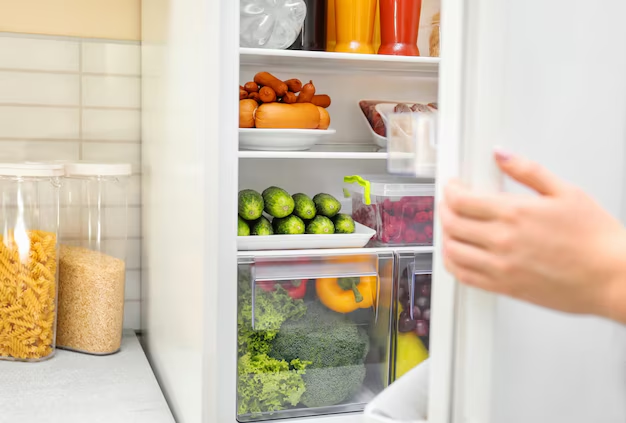
How Long Should You Really Keep Food in the Refrigerator?
Opening your fridge, you might find leftovers from last week's dinner or unopened yogurt that got pushed to the back. Deciding what stays and what goes can be a conundrum. How long can food truly remain in the refrigerator before it becomes unsafe to eat? In this guide, we'll unpack the essentials of food storage, ensuring you keep your food fresh and safe.
📅 Understanding Food Shelf Life
What's the Shelf Life of Common Refrigerated Foods?
Every product in your fridge has a different shelf life. Here's a quick glance at some common items:
- Milk: Generally lasts 1 week beyond the sell-by date, depending on the storage conditions.
- Eggs: Can be safely consumed for 3 to 5 weeks beyond the purchase date if kept refrigerated.
- Cheese: Hard cheeses last 3 to 4 weeks once opened, while soft cheeses need attention after 1 week.
- Cooked Meats: Usually safe for 3 to 4 days after cooking.
- Fresh Produce: Leafy greens might wilt within a week, whereas fresh carrots can last up to 2 weeks.
Factors Influencing Food Longevity
The longevity of food in your refrigerator doesn't just depend on dates. Here are some key factors:
- Temperature Consistency: Your fridge should be set at or below 40°F (4°C). Consistent temperature helps inhibit bacterial growth.
- Packaging: Airtight containers can extend freshness by preventing air exposure.
- Humidity Control: Fruits and vegetables benefit from distinct humidity levels. Use the crisper drawers accordingly.
🔍 Identifying Spoilage
Signs Your Food Has Gone Bad
Identifying spoiled food is crucial to avoid consuming harmful bacteria:
- Sight: Mold growth, discoloration, or a change in texture (like cheese becoming slimy).
- Smell: Sour, rancid, or off odors, particularly for dairy and meats.
- Taste: When all else fails, a small taste can confirm spoilage, but sniff test should be your first go-to check.
Health Risks of Consuming Spoiled Food
Eating spoiled food doesn't just taste bad—it can lead to foodborne illnesses. Symptoms might include stomach cramps, nausea, vomiting, and diarrhea. Always err on the side of caution when food appears questionable.
📖 Best Practices for Food Storage
Tips for Maximizing Freshness
Implementing smart storage solutions can prolong the life of your fridge contents:
- First In, First Out: Place newer items behind older ones to ensure you consume them in order.
- Labels Are Your Friends: Mark leftovers with the date of storage.
- Utilize Airtight Containers: They help keep out moisture and limit exposure to air.
- Proper Produce Placement: Store fruits and vegetables in separate drawers to control ethylene gas production, which can speed ripening.
When to Freeze Foods
Freezing can be a savior for extending food life. Here’s how to decide what and when to freeze:
- Meats: If not consumed within a few days, freeze to avoid spoilage.
- Breads: Great to keep in the freezer if you don't plan to finish within a few days.
- Leftovers: If you can't consume them within 3 to 4 days, freezing ensures they don't end up in the trash.
🍽️ Common Queries About Food Storage
How Can I Avoid Food Waste?
Food waste isn't just bad for the wallet; it's harmful to the environment. Consider these strategies:
- Plan Meals: Create a weekly meal plan that aligns with the perishability of your groceries.
- Store Correctly: Invest in reusable storage bags and containers to maximize freshness.
- Use Leftovers Wisely: Get creative! Last night's roast can turn into today's sandwich or salad topping.
How Often Should I Clean the Refrigerator?
A clean fridge is a safe fridge. Aim for a thorough cleaning every 3 to 4 months:
- Remove Everything: This allows you to check expiration dates and clean every nook.
- Wipe Surfaces: Use a mild detergent or a 1:1 vinegar-water solution to sanitize.
- Organize with Purpose: Assign consistent spots for certain foods to ensure circulation and visibility.
🔑 Key Takeaways
Below is a quick-reference list to help you keep track of your food storage habits:
- 🧀 Cheese: Store hard cheese to last longer than soft varieties.
- 🥚 Eggs: Last several weeks past purchase if refrigerated consistently.
- 🍖 Meat: Cooked meats are best consumed within 4 days.
- 🥦 Produce: Use crisper drawers wisely for different veggies and fruits.
- ⏰ Regular Checks: Make checking the food rotation a regular habit.
Final Insights on Food Storage
By understanding these guidelines, you not only prevent foodborne illnesses but also save money and reduce waste. Whether it’s monitoring the temperature in your fridge or rotating foods, each small action contributes to better food safety practices.
Remember: When in doubt, throw it out. Your health is worth more than a questionable leftover. Equip yourself with these insights, and you’ll manage your food storage like a pro. 🥦🥛💪