How Long Does Tuna Fish Stay Fresh in the Refrigerator?
When it comes to storing food, understanding the optimal conditions to keep things fresh is essential for both safety and taste. Tuna fish, beloved by many for its versatility and nutritional value, is no exception. But how long can tuna fish stay in the refrigerator before it begins to spoil? This question is crucial, especially if you want to avoid food waste and enjoy your tuna at its best. Let’s dive into the details of tuna storage, along with some practical tips to keep it fresh and safe for consumption.
🐟 Understanding Tuna Shelf Life
The shelf life of tuna in the refrigerator can depend greatly on how it is prepared and stored. Here, we’ll look at the different forms of tuna—fresh, canned, and leftovers—to understand their storage routines.
Fresh Tuna
Fresh tuna, whether purchased from a fishmonger or supermarket, is best when consumed within 1 to 2 days after purchase. The freshness of tuna can degrade quickly, which impacts both texture and taste. It's essential to store fresh tuna in the coldest part of your refrigerator, ideally set to 32°F to slow bacterial growth.
Canned Tuna
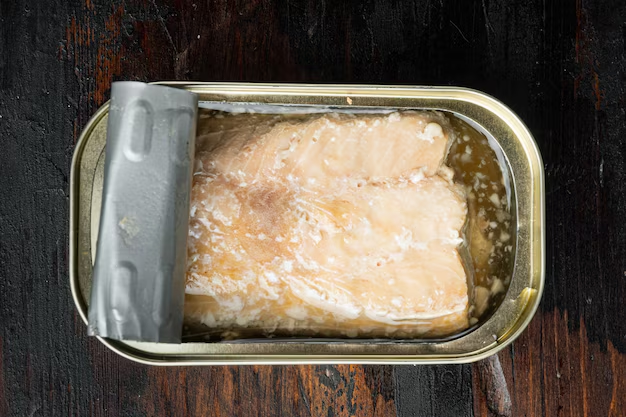
Canned tuna is a pantry staple due to its long shelf life. Once opened, however, canned tuna should be transferred to a sealed glass or plastic container before refrigerating. Consume it within 3 to 5 days to ensure optimal freshness and taste. Unopened, canned tuna can last in the pantry for up to five years, depending on the brand.
Cooked Tuna and Tuna Salad
Leftover cooked tuna dishes or tuna salad should similarly follow the guideline of 3 to 4 days in the refrigerator. Ensure these are stored in airtight containers to keep them safe from bacteria and to retain moisture.
📦 Best Practices for Storing Tuna
Maintaining the quality of tuna goes beyond the general timeframe. Adopting best practices for storage can extend the deliciousness of your tuna dishes.
Airtight Containers
Using airtight containers is a simple yet effective strategy. They help prevent oxidation and the absorption of strong odors from other foods in the refrigerator. This is especially critical for tuna salads, which may contain mayonnaise or other dairy elements.
Temperature Management
Keep your refrigerator at 40°F or lower. Consistent refrigeration at an appropriate temperature is crucial for maximizing the storage life of any type of fish, including tuna.
Proper Sealing and Labeling
If you’re storing opened canned tuna, pour the leftovers into a container with a label of the date of storage. This prevents forgetting the age of your leftovers and reduces the risk of consuming spoiled fish.
Avoid Cross-Contamination
To avoid cross-contamination, store tuna away from raw meats in the refrigerator. This simple precaution can help prevent the spread of bacteria.
⏲️ Indicators of Spoilage
It’s critical to recognize when tuna is no longer safe to eat. Here are some signs to watch for:
- Odor: Fresh tuna should have a mild sea smell, not a strong fishy odor. A pungent smell is a clear sign of spoilage.
- Color: Fresh tuna typically has a bright red or pinkish hue. Discoloration to grayish or brownish tones suggests spoilage.
- Texture: Spoiled tuna may take on a slimy texture—it's best to discard it at this point.
💡 Tuna Storage Quick Tips
To make your tuna storage routine simpler, here's a quick reference guide:
- 🥶 Fresh Tuna: Use within 1-2 days.
- 🥫 Opened Canned Tuna: Consume within 3-5 days; store in airtight containers.
- 🍽️ Cooked Tuna Dishes: Lasts in the fridge for about 3-4 days in airtight containers.
- 🔍 Check for spoiling signs: Pungent smell, discoloration, and sliminess.
- ❄️ General tip: Keep your refrigerator at 40°F or lower for best storage results.
❓ Explore Related FAQs
Can You Freeze Tuna for Longer Storage?
Yes, you can freeze tuna to extend its shelf life. Fresh and cooked tuna alike can be portioned and stored in freezer-safe bags or containers. Properly sealed, frozen tuna can last up to 3 months without significant loss of taste or texture. To use, thaw tuna slowly in the refrigerator to maintain its quality.
Is Tuna Safe to Eat After Its Sell-By Date?
Sell-by dates indicate peak freshness, but they are not absolute indicators of spoilage. With proper handling, tuna may still be safe to eat a few days after its sell-by date. Always rely on sensory checks such as smell and appearance to make your decision.
🔍 Conclusion: Smart Practices for Safe Consumption
Understanding how long tuna can stay fresh in your refrigerator is an integral part of maintaining a safe and efficient kitchen routine. By adopting proper storage techniques—such as using airtight containers and adhering to optimal refrigeration temperatures—you can maximize the freshness and safety of your tuna dishes. Always observe spoilage signals and when in doubt, err on the side of caution. A well-organized approach not only preserves the flavor and nutritional value of tuna but also significantly reduces food waste. Bon Appétit!