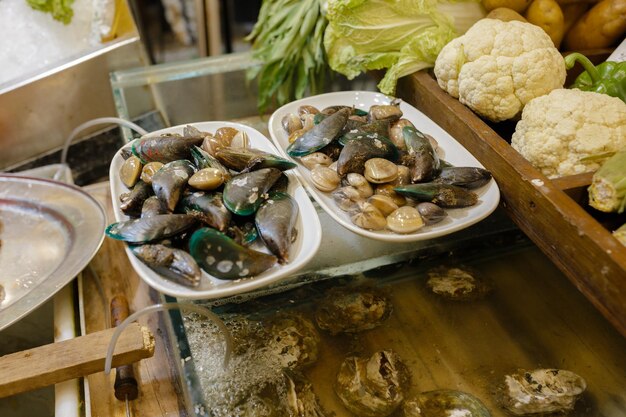
How to Keep Clams Fresher for Longer in Your Refrigerator
Clams are a delicious choice for seafood lovers, whether you're whipping up a hearty clam chowder or preparing a simple steamed dish. However, knowing how to store clams safely is crucial to preserve their quality and ensure they remain safe to eat. So, how long do clams stay fresh in the refrigerator? Let’s dive in and explore everything from storage techniques to signs of spoilage, helping you master the art of clam preservation.
🌊 Understanding the Freshness of Clams
Before you store clams, it's important to understand what makes them fresh. Clams are marine mollusks that are best consumed shortly after being harvested. Their freshness is often indicated by:
- Closed shells: Fresh clams will have tightly closed shells, indicating that they are alive.
- Pleasant odor: They should have a mild, sea-like aroma, not a fishy or pungent smell.
- Responsive to tapping: If a clam's shell is slightly ajar, it should close promptly when tapped.
Clams are a prime example of seafood that should be monitored closely for freshness due to their perishable nature. Improperly stored clams can lead to food safety risks, so it’s essential to handle them with care.
🕒 How Long Can Clams Be Stored?
Fresh clams can typically be kept in the refrigerator for about 1 to 2 days. After this period, their quality and safety may begin to decline. For optimal freshness, it is recommended to consume clams as soon as possible after purchase.
Factors Affecting Shelf Life
Several factors can influence the shelf life of clams in the refrigerator:
- Temperature: Clams should be stored at a constant, cold temperature. The refrigerator should be set at or below 40°F (4°C).
- Humidity: Clams stored in an environment that is too dry may become dehydrated and die.
- Airflow: Adequate airflow is necessary to keep clams alive and fresh.
🥶 Proper Techniques for Storing Clams
In the Refrigerator
To maximize the freshness of clams in the refrigerator, follow these guidelines:
- Clean before storage: Rinse the clams under cold running water to remove sand and debris. Do not use soap.
- Use breathable storage: Place clams in a bowl, cover them with a damp towel, and store them in the coldest part of the refrigerator. Avoid airtight containers, as clams need to breathe.
- Do not submerge: Avoid storing clams in water, as prolonged submersion can suffocate them.
Long-Term Storage: Freezing Clams
If immediate consumption is not possible, freezing is an effective way to extend the shelf life of clams:
- Preparation: Clean clams thoroughly and shuck them, saving the meat and liquid.
- Freezing: Place the clam meat and liquid in a freezer-safe container, leaving space for expansion. Seal tightly to prevent freezer burn.
- Shelf Life: When properly stored, frozen clams can last for up to 3 months. However, their texture may change slightly once defrosted.
🔍 Identifying Spoiled Clams
It’s crucial to recognize signs of spoilage in clams to avoid consuming unsafe seafood:
- Shells that remain open: If a clam's shell stays open even after tapping, it indicates the clam is dead and should not be consumed.
- Off-putting odor: A strong, fishy smell is a clear indicator that clams have spoiled.
- Slimy texture: Clams that feel slimy or have a sticky residue should be discarded.
🍴 Safe Handling Practices and Tips
Ensuring food safety involves not only proper storage but also careful handling and preparation:
- Quick Usage: If you plan to consume clams within a few days, make purchasing them as fresh as possible a priority.
- Avoid Cross-Contamination: Clean utensils and surfaces that come into contact with raw clams to prevent the spread of bacteria.
- Observe Best Practices in Cooking: Thorough cooking kills harmful bacteria. Clams are done when their shells open up during the cooking process.
🤓 Clam Storage Cheat Sheet
Here's a quick, skimmable guide to clam storage that you can refer to whenever needed:
| Task | Tips |
|---|---|
| Choosing Fresh Clams | Look for closed shells, a sea-like smell, and responsiveness to tapping. |
| Storing in Refrigerator | Cover with a damp towel, place in a bowl, and keep in the coldest part of the fridge. Avoid airtight containers. |
| Detecting Spoilage | Check for open shells that don't close, strong odors, and slimy textures. |
| Freezing Clams | Shuck and freeze quickly. Store in an airtight container with their liquid for up to 3 months. |
| Handling & Cooking | Practice good hygiene to avoid cross-contamination. Ensure clams are cooked thoroughly until shells open. |
🌐 Exploring Related Topics
Storing clams properly is just one aspect of effective seafood management. To further enhance your culinary expertise and food safety knowledge, consider exploring these related topics:
- The Science of Seafood Freshness: Understand what factors contribute to the quality and safety of various seafood.
- Choosing the Best Seafood at the Market: Learn how to select quality seafood that will last longer.
- Simple Recipes for Clams: Discover delicious ways to prepare clams for any occasion.
Proper stewardship of your seafood ensures both delightful culinary experiences and adherence to safety standards. Whether you're an avid home cook or just starting out, understanding how to keep clams fresh in the refrigerator empowers you to confidently enjoy one of the ocean's finest delicacies.
In conclusion, mastering clam storage requires attention to detail and a commitment to best practices. By adhering to the guidelines provided in this comprehensive guide, you can be assured that your clams will remain fresh, delicious, and safe to eat whenever you choose to enjoy them.