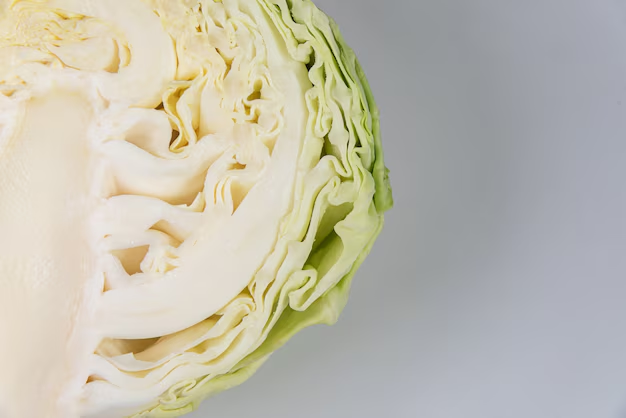
Making Your Brussels Sprouts Last Longer: Insider Tips to Keep Them Fresh in the Refrigerator
Brussels sprouts, the miniature cabbages beloved by many, are known for their rich flavor and versatility in the kitchen. Whether you're roasting them for a holiday dinner or adding them to a weeknight stir-fry, ensuring their freshness is key to enhancing their taste and nutritional value. But how long can these little green gems stay fresh in your fridge? In this guide, we’ll explore the secrets to maximizing the shelf life of fresh Brussels sprouts while diving into best storage practices, signs of spoilage, and creative ways to enjoy them before they go bad.
How Long Do Fresh Brussels Sprouts Last in the Refrigerator?
When stored properly, fresh Brussels sprouts can generally last up to one to two weeks in the refrigerator. However, this timeframe can vary depending on the sprouts’ initial freshness and the conditions in which they are stored. Let's delve deeper into factors that can influence their staying power.
Factors Affecting Shelf Life
Freshness at Purchase: The closer you purchase Brussels sprouts to their harvest date, the longer they'll last. Opt for sprouts that are firm, vibrant green, and compact. Avoid ones with yellowing leaves or soft spots.
Storage Conditions: Brussels sprouts prefer a cool, moist environment. Temperature fluctuations can speed up spoilage, so keep your refrigerator at a consistent, low temperature, ideally around 32°F to 40°F (0°C to 4°C).
Humidity Levels: Brussels sprouts thrive in higher humidity settings. To maintain moisture, consider storing them in the crisper drawer of your fridge, which offers a more humid environment compared to open shelves.
Storing Brussels Sprouts Correctly
To enjoy your Brussels sprouts at their peak, it's crucial to employ proper storage techniques that safeguard their freshness and flavor.
On the Stalk vs. Off the Stalk
On the Stalk: Purchasing Brussels sprouts still attached to their stalk can prolong freshness. Store the stalk upright in your fridge, ideally in a large plastic bag to maintain humidity.
Off the Stalk: If your sprouts are loose, place them in a breathable bag or wrap them loosely in a damp paper towel to prevent drying. Avoid airtight containers, which can trap ethylene gas and accelerate ripening.
How to Tell if Brussels Sprouts Have Gone Bad
Even with the best storage methods, Brussels sprouts can eventually spoil. Look out for the following signs to determine when it’s time to toss them:
- Visual Cues: Yellowing leaves, black spots, and mold are clear indicators of spoilage.
- Texture: Sprouts that feel soggy or have a mushy texture are past their prime.
- Smell: A strong, unpleasant odor signifies that the sprouts have likely spoiled.
Tips to Extend the Freshness of Brussels Sprouts
Keeping Brussels sprouts fresh can be a breeze with these handy tips:
Buy Fresh: Select sprouts that are deep green and firm, avoiding those with yellow or wilting leaves.
Fridge Placement: Store sprouts in the crisper drawer or in a spot with consistent temperature and humidity levels.
Avoid Washing: Refrain from washing Brussels sprouts until you're ready to use them to prevent excess moisture buildup, which can lead to mold.
Use Containers Thoughtfully: If you opt for containers, ensure they are perforated to allow airflow and reduce ethylene gas accumulation.
Creative Ways to Use Up Brussels Sprouts
To make the most of your Brussels sprouts before they spoil, try incorporating them into a variety of dishes. Here are some ideas to get you started:
Roasted Delight
Roasting Brussels sprouts brings out their natural sweetness and creates a caramelized, crispy texture. Toss them with olive oil, salt, and pepper, and roast at 400°F (200°C) for about 20-25 minutes. Add balsamic glaze or Parmesan for an extra flavor boost.
Stir-Fry Sensation
For a quick, nutritious meal, stir-fry Brussels sprouts with garlic, ginger, and soy sauce. Pair them with chicken or tofu and serve over a bed of rice or noodles.
Savory Soup
Brussels sprouts can add depth to a hearty vegetable soup. Combine them with carrots, potatoes, onions, and vegetable broth for a comforting dish that’s perfect for chilly nights.
Fresh Salads
Shave raw Brussels sprouts thinly and mix them with kale, almonds, and cranberries for a refreshing salad. Dress with a lemon-tahini vinaigrette to complement the flavors.
Key Takeaways for Keeping Brussels Sprouts Fresh 🥬
- Select the Best: Choose firm and dark green sprouts for optimal freshness.
- Proper Storage: Keep sprouts in the crisper drawer or a breathable bag.
- Signs of Spoilage: Watch for yellowing leaves, a foul odor, or a mushy texture.
- Creative Uses: Roast, stir-fry, or add to soups and salads to enjoy them before they spoil.
By understanding how to properly store and identify spoilage, you can ensure that your Brussels sprouts stay fresh and tasty for as long as possible. Whether you’re planning a delicious side dish or looking to try something new in the kitchen, these tips will help you make the most of this healthy vegetable. Remember, the key to enjoying Brussels sprouts lies in their freshness and flavor, so keep them stored correctly and get creative with your culinary experiments!