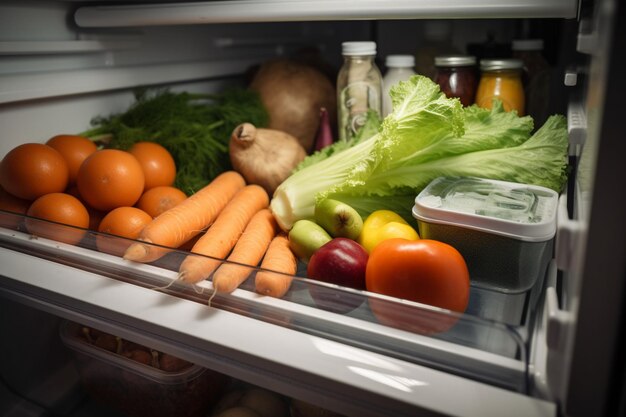
Keep Your Greens Crisp: How to Maximize the Freshness of Vegetables in Your Fridge
Ever opened your refrigerator, only to find that the vegetables you bought just days ago resemble a wilted, sad shadow of their former selves? If you're nodding along, wondering how long fresh vegetables truly last in the refrigerator and how to stretch their lifespan, you're not alone. Whether you're a weekly shopper or a meal-prep maven, understanding the optimal ways to store vegetables can save you time, money, and reduce food waste.
Understanding Vegetable Shelf Life
The Average Lifespan of Vegetables
Knowing the average shelf life of common vegetables is the first step in proper food storage. Generally, vegetables last anywhere from a few days to a couple of weeks in the refrigerator. For instance:
- Leafy greens like spinach and lettuce typically last about a week.
- Root vegetables such as carrots, beets, and radishes can stay fresh for several weeks.
- Cruciferous vegetables like broccoli and cauliflower tend to last around a week or two.
Factors Affecting Freshness
Several factors can influence how long your vegetables stay fresh:
Temperature: The ideal refrigerator temperature is just above freezing, around 32°F-40°F (0°C-4°C). Most vegetables thrive in this range.
Moisture: Too much or too little moisture can cause vegetables to spoil quickly. A humidity-controlled crisper drawer is optimal for many veggies.
Air circulation: Proper ventilation within the fridge can prevent mold and decay that arises from too much moisture.
Practical Strategies for Prolonging Freshness
Storage Tips for Common Vegetables
Some basic guidelines and clever storage tips can keep your veggies in tip-top shape:
Leafy Greens
- Storage Method: Rinse greens, spin them dry, then wrap in paper towels before placing them in a loosely closed container.
- Tip: Avoid storing in airtight bags; a bit of airflow prevents rapid wilting. 💡
Root Vegetables
- Storage Method: Store root vegetables in a cool, dark place. If placed in the fridge, keep them separate from fruits, especially apples, which emit ethylene gas and accelerate spoilage.
- Tip: Remove green tops from carrots and beets to extend longevity.
Cruciferous Vegetables
- Storage Method: Keep them in perforated plastic bags in the fridge. Do not wash until use to avoid moisture buildup.
- Tip: Ensure there’s no trapped moisture in the bag to prevent rot.
Specialty Vegetables and Herbs
Special considerations exist for certain veggies:
Tomatoes & Avocados
- While technically fruits, their perishability draws similar storage concern as vegetables. Store these at room temperature to ripen, then refrigerate to extend life once ripe.
Fresh Herbs
- Treat herbs like flowers: trim stems and place in a glass of water, covering loosely with a plastic bag in the refrigerator.
The Role of Pre-Preparation and Meal Planning
Cutting and Washing
Although pre-washing and cutting vegetables saves time during meal preparation, it shortens shelf life for many vegetables. Consider:
- Pre-cutting is best done for hardier veggies like carrots and bell peppers.
- Washing any vegetable before storage can lead to early spoilage unless thoroughly dried.
Batch Cooking and Freezing
Batch cooking or freezing can be optimal solutions for maintaining freshness:
Freezing
- Blanching Tip: Before freezing veggies like green beans or broccoli, blanch them quickly in boiling water, then plunge into ice water to halt cooking. Package in freezer-safe bags.
Batch Cooking
- Prepare large meals or components involving vegetables and refrigerate or freeze portions for future use.
Summarizing Vegetable Storage
Below is a streamlined list for reference 👇:
Quick Veggie Storage Tips
- 🥬 Leafy Greens: Paper towel wrap; crisper.
- 🥕 Root Veggies: Cool, dark pantry or fridge. Separate greens.
- 🥦 Cruciferous: Perforated bags; fridge.
- 🍅 Tomatoes: Room temp to ripen, fridge after ripe.
- 🌿 Herbs: Trim stems, water glass, bag cover in fridge.
Knowing When to Use or Toss
Signs of Spoilage
Recognizing when vegetables have spoiled prevents consumption of potentially harmful produce. Look for:
- Discoloration or Molds: Visible mold or a shift from vibrant colors to browning.
- Texture Changes: Pliability in carrots, limpness in greens, or mushiness in any vegetable.
Responsible Disposal
Wilted yet unsalvageable veggies can benefit soil. Consider setting up a small compost area. This not only reduces kitchen waste but enriches garden soil.
A Step Towards Waste-Free Kitchens
Incorporating these practices can significantly impact household food management. As each vegetable’s lifespan varies, adjusting storage strategies boosts freshness and flavor. Embrace small changes in your shopping and storing habits—it’s good for the planet and your palate.
Remember, while the refrigerator is an excellent ally in keeping your vegetables fresh, understanding each veggie’s specific needs can make all the difference. By doing so, you'll not only save money and reduce waste but also enjoy the vibrant taste that fresh produce offers.