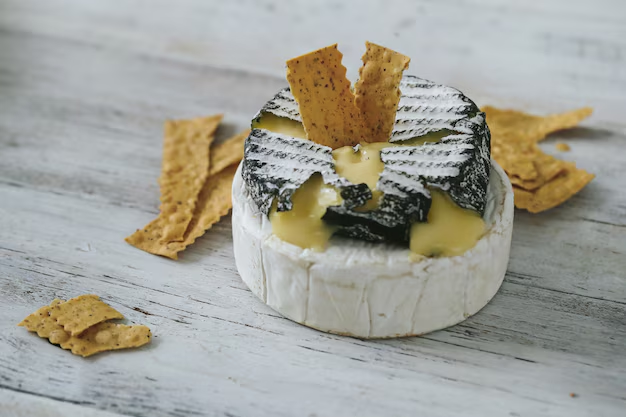
How Long Can You Really Keep Blue Cheese Fresh in the Fridge?
Imagine this: You open your refrigerator, searching for that robust wheel of blue cheese you bought the other week. But then comes the dilemma. Has it overstayed its welcome? Is it still safe and delicious to eat? Blue cheese lovers often wonder about its shelf life and preservation. Let's delve into how long blue cheese lasts in the refrigerator and how you can maximize its freshness.
🧀 The Unique Nature of Blue Cheese
What Makes Blue Cheese Different?
Blue cheese, known for its distinct marbling of blue-green mold veins, is a classic among cheeses. Its unique flavor and creamy texture make it a favorite, yet it's these very characteristics that raise questions about its longevity.
Why is it special?
- Mold-Ripened: Unlike most cheeses, blue cheese is intentionally inoculated with mold, contributing to its unique taste and texture.
- Complex Flavors: The mold, coupled with the milk it's made from—be it cow, goat, or sheep—offers a complex profile, from tangy and spicy to creamy and sweet.
- High Moisture Content: Blue cheese contains more moisture than hard cheeses, affecting its shelf life.
🧊 How Long Does Blue Cheese Last in the Refrigerator?
Best Practices for Storage
Refrigeration slows bacterial growth and mold development, extending the life of blue cheese beyond its immediate freshness. But how long is it really good for?
General Guidelines:
- Unopened Blue Cheese: When kept in its original packaging, blue cheese can last about 3 to 4 weeks past the "sell by" date at room temperature.
- Opened Blue Cheese: Once opened and properly wrapped, it's best to consume it within 1 to 2 weeks for peak freshness. Its flavor profile remains intact within this timeframe.
Signs of Spoilage
Recognizing when blue cheese has run its course is crucial for both taste and safety.
Look for:
- Excessive Ammonia Odor: A sharp, unpleasant scent signals it’s time to part ways.
- Texture Changes: If it becomes overly slimy or sticky, it’s likely spoiled.
- Discoloration and Fuzzy Mold: Given its nature, blue cheese will naturally grow mold. However, pink or black mold or anything too fuzzy is a red flag.
🛡️ Keeping Blue Cheese Fresher for Longer
The Right Way to Store
Proper storage techniques can make a noticeable difference in extending the life of your blue cheese.
- Wrap Wisely: Use parchment or wax paper before applying a loose layer of aluminum foil. This prevents excess moisture while allowing it to breathe.
- Designate Dairy Space: Store it in the cheese or vegetable drawer of your fridge, zones meant to maintain a steady and optimal temperature for perishable items.
- Avoid Plastics: Leaving it in plastic wrap can suffocate the cheese, affecting its taste and texture.
Can You Freeze Blue Cheese?
Freezing blue cheese can be contentious due to its high moisture content, but if you must, it’s possible with a few caveats.
Tips for Freezing:
- Best for Cooking: Due to potential textural changes, frozen blue cheese is better used in cooking rather than eating fresh.
- Flash Freeze Slices: Lay slices on a baking sheet until frozen, then transfer to a bag for easier usage of portions.
- Use Within 3 Months: Beyond this, ice crystals may affect texture and taste more prominently.
🛒 Buying Blue Cheese: Fresher from the Start
To enjoy blue cheese longer, start with the freshest piece possible. Here are tips for selecting high-quality cheese:
- Check Dates: Buy cheese with the longest potential shelf life, indicated by "sell by" and "best before" dates.
- Smell Test: Avoid cheese with an overly strong ammonia smell straight from the store; it won’t improve much once you get it home.
- Visibility Matters: Look for clean, consistent marbling without excessive moisture or unusual color spots.
��� Quick Tips for Longevity
Here's a quick-look table for keeping your cheese fresh and delicious longer:
| Dos 🟢 | Don'ts 🔴 |
|---|---|
| Store in a designated cheese drawer | Wrap in cling film/plastic |
| Use parchment or wax paper | Keep near pungent foods |
| Check for spoilage signs before eating | Freeze for over 3 months |
| Consume within recommended time frame | Use if off-color or overly mushy |
🧑🍳 Culinary Uses: Blue Cheese Beyond the Fridge
While the refrigerator is keeping your cheese in check, it’s exciting to think about how you can use this versatile ingredient. Blue cheese can enrich more than just a cheese board. Here’s how:
- Salads: It’s perfect crumbled over a salad with crisp greens, pears, and walnuts.
- Dressings and Dips: Make smooth, creamy dressings perfect for wings or veggie sticks.
- Steaks and Burgers: Melt on top for a rich, gourmet touch.
- Pasta and Sauces: Add depth to pasta sauces with its sharp, creamy elements.
The Bottom Line on Blue Cheese Storage
Blue cheese is beloved for its unique flavors and textures, and with careful storage, it can remain a delightful option for weeks. While it naturally carries mold, staying mindful of freshness and spoilage signs ensures every bite is both safe and satisfying.
Remember, maximize its shelf life by wrapping and storing it properly, watch for spoilage signs, and enjoy it within the optimal time frame. Whether an aficionado or a curious newcomer, understanding its nuances allows you to appreciate this bold cheese to the fullest. 🧀