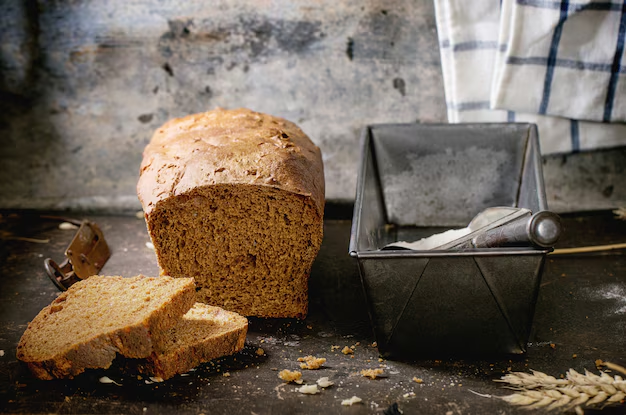
How Fresh is Your Ezekiel Bread? A Guide to Its Shelf Life in the Refrigerator
Ezekiel bread has been making waves in the nutrition world for its hearty, whole-food goodness and its biblically inspired recipe. Made from sprouted grains and legumes, it's a healthy choice for many seeking a nutrient-dense bread alternative. But with this unique composition comes a question that's paramount to maintaining its quality and flavor: how long does Ezekiel bread last in the refrigerator? Let's dive into this topic to help you keep your Ezekiel bread fresh for as long as possible.
Understanding Ezekiel Bread: A Brief Overview
What Makes Ezekiel Bread Different?
Ezekiel bread is artisan-made, often using a mix of wheat, barley, beans, lentils, millet, and spelt. Unlike many commercially made breads that use refined flour and added sugars, Ezekiel bread undergoes a sprouting process. This is believed to boost the grain’s nutrient profile, making it more digestible and providing a richer array of vitamins and minerals. Its lack of preservatives and use of whole ingredients sets it apart from the regular white or whole wheat breads found on grocery store shelves.
The Nutritional Benefits
Sprouted grains are the heroes of this bread. They are known to contain higher amounts of protein and less fat than conventional bread. They also have a naturally lower glycemic index, which can be beneficial for those monitoring blood sugar levels. Additionally, the sprouting process breaks down antinutrients, which can inhibit the absorption of minerals, making the nutrients more available to your body.
Shelf Life of Ezekiel Bread
How Long Can it Stay Fresh?
Ezekiel bread's shelf life is primarily determined by its lack of preservatives. Like many natural foods, its fresh state doesn't last indefinitely. When stored in the refrigerator, properly sealed, Ezekiel bread can remain good for about two weeks. However, it's always wise to rely on your senses—look for any visible mold and sniff for any off-smells to gauge freshness beyond this period.
Storage Tips for Longevity
To maintain freshness:
- Air-tight Packaging: Always keep the bread in its original packaging or a tightly sealed bag to prevent dry air from affecting its texture.
- Refrigeration: Storing Ezekiel bread in the refrigerator slows down mold growth, preserving its food safety longer than room temperature storage.
- Freezing Option: If you don't plan to consume the bread immediately, consider freezing it. Ezekiel bread can last up to three months in the freezer without significant quality loss.
Why Some Choose Freezing Over Refrigerating
While refrigeration slows down bread aging, freezing essentially puts it on pause. Thawing a slice or two at a time can be a great strategy for minimizing waste and ensuring each slice is as fresh as possible when you're ready to eat.
Factors Affecting Shelf Life
Temperature and Humidity
The bread's condition can drastically be affected by the storage environment. Humid and warm conditions can foster mold growth, while cold and dry surroundings in the refrigerator can help prolong its life.
Handling Practices
Touching bread with clean hands and minimizing exposure to air when taking slices out can reduce the risk of contamination and spoilage.
Homemade vs. Store-Bought Variations
Homemade Ezekiel bread may not last as long as commercially prepared options due to the lack of industrial-level packaging and preservation protocols.
Signs Your Ezekiel Bread May Have Gone Bad
Visible Mold
Mold is the most obvious indicator that bread is no longer safe to eat. Mold can appear as green, white, or black spots.
Off Smell or Texture
A sour or unusual odor is a sign that the bread may not be fresh. Additionally, a significant change in texture—such as excessive dryness or a hard surface—might indicate spoilage.
Taste Changes
Sometimes spoilage can progress even without visible signs. If the taste changes from its usual mildly nutty and hearty flavor to something stale or off-putting, it’s best to discard it.
Complementary Topics and Practical Tips
How to Incorporate Ezekiel Bread into Your Diet
1. Breakfast: Toast slices for added crispiness and top with avocado, poached eggs, or nut butter for a healthy morning meal.
2. Lunch: Use it as a base for sandwiches stuffed with lean meats and plenty of vegetables.
3. Snacks: Create croutons by cubing slices and baking them with olive oil and spices for a crunchy snack or salad topping.
Nutrient Retention in Refrigerated and Frozen Bread
While refrigeration and freezing help preserve shelf life, they can slightly alter the texture. To restore freshness, a brief toasting or microwaving can revive the bread's original softness and flavor.
Analyzing Ezekiel Bread’s Place in the Market
The health-conscious movement has catapulted Ezekiel bread into the limelight, creating a demand for nutritious, low-processed food varieties. However, because of its perishable nature, consumers are encouraged to buy in smaller quantities or to use freezing as a preservation method.
Quick Tips for Extending Bread Life
Here is a handy summary to keep your Ezekiel bread fresh:
- 🥶 Freeze it Early: Slice and freeze—this extends the shelf for those who enjoy a slowly consumed loaf.
- 🧊 Thaw Thoughtfully: Only thaw the amount you plan to eat within a few days.
- 🍞 Store Smart: Use airtight containers or bags to reduce exposure to air.
- 👃 Sense Check: Regularly check bread for mold, off-smells, or unusual textures.
- ♻️ Leftover Ideas: Use slightly stale bread for breadcrumbs or croutons instead of tossing it out.
Final Insights
When it comes to stocking your kitchen with Ezekiel bread, being mindful of its storage and handling goes a long way in maximizing freshness. Understanding its distinctive ingredients and the benefits of preserving it correctly empowers you to make the most of this nutritionally robust bread. Remember, your senses are a great guide, so trust them to ensure you’re consuming Ezekiel bread at its best.