How to Keep Your Fresh Pesto Fresh: Understanding Its Shelf Life in the Refrigerator
There's something quite satisfying about a spoonful of fresh pesto—rich, vibrant, and packed with flavor. Whether you’ve made it in your kitchen or bought a jar from the local market, the question of its longevity looms. How long can fresh pesto maintain its delightful punch of flavor when stored in the refrigerator? Understanding this can make the difference between a delicious meal and a disappointing one. Let's dive into how to ensure your pesto stays fresh and extends the joy it brings to your dishes.
Fresh Pesto: What Exactly Is It?
The Essence of Pesto
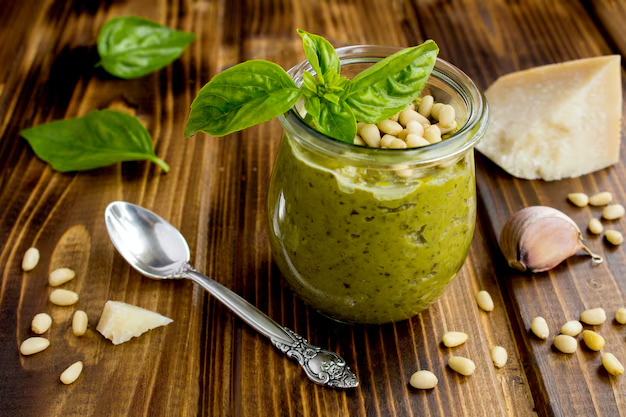
Pesto hails from Italy, traditionally made using fresh basil leaves, garlic, pine nuts, Parmesan cheese, and good quality olive oil. The blend of these ingredients creates that creamy, aromatic condiment cherished by many food lovers. Some variations might include additional herbs, different nuts, or even cheese alternatives. This versatility is part of what makes pesto a favorite, but it also influences its storage life.
Why Does Freshness Matter?
When it comes to pesto, freshness directly impacts flavor and nutritional quality. Freshly made pesto lacks preservatives found in store-bought varieties, making it both a healthier choice and a candidate for quicker consumption or mindful storage techniques.
Storing Fresh Pesto: What You Need to Know
Optimal Refrigeration Practices
Once you've crafted or opened a jar of pesto, proper storage is crucial. Here are some steps to keep in mind:
Use an Airtight Container: Whether it’s a glass jar with a tight-fitting lid or a BPA-free plastic container, minimizing air exposure is vital. Oxygen accelerates spoilage.
Cover With Olive Oil: A thin layer of olive oil atop the pesto can help keep it fresh. This oil barrier protects the vibrant green herbs from oxidizing, a process which can lead to browning and spoilage.
Maintain the Cold Chain: Homemade pesto should be transferred to the refrigerator immediately after preparation. Store-bought should also be chilled immediately after opening.
How Long Does It Last?
Typically, fresh pesto stored correctly in the refrigerator can last for about 5 to 7 days. However, several factors, including ingredient freshness, the specific recipe, and storage conditions, can influence this timeframe.
Signs Your Pesto Has Gone Bad
Staying alert for signs of spoilage ensures you consume pesto at its best. Here’s what to watch for:
Color Change: Bright green pesto turning brown or dark can indicate oxidation, reducing its flavor and freshness.
Off Odors: A sour or rancid smell is a clear signal that the pesto shouldn’t be consumed.
Unusual Texture: Separation of oils or a slimy texture may suggest spoilage.
Mold Growth: Visual signs of mold, even on the lid or container, make the pesto unsuitable for consumption.
Extending the Life of Your Pesto
Freezing for Future Use
To extend its shelf life considerably, consider freezing pesto. This method can keep your pesto fresh for up to three months:
Ice Cube Trays: Pour pesto into ice cube trays, freeze, and then store the pesto cubes in a freezer bag. This way, you have portion-sized servings ready for your next meal.
Freezer Containers: Use small airtight containers, leaving some space at the top as it may expand.
Thawing Tips
When ready to use, thaw pesto in the fridge overnight or use it straight from the freezer. Keep in mind that repeated thawing and freezing can degrade quality.
Crafting the Best Pesto for Longer Freshness
Ingredient Selection
To make the best pesto that stands the test of time:
Choose Fresh Herbs and Nuts: Fresh, high-quality ingredients make a big difference not only in flavor but in how long your pesto stays bright and tasty.
The Right Olive Oil: Opt for a reputable brand of extra-virgin olive oil for better flavor stabilization.
Attention to Preparation
A couple of tricks can boost the freshness of your pesto:
Dry Ingredients Thoroughly: Moisture can lead to quicker spoilage, so ensure herbs are completely dry before blending.
Blend Carefully: Avoid over-blending, which can heat the ingredients, potentially inviting premature spoilage.
Understanding Store-Bought Pesto Shelf Life
Differences From Homemade
Store-bought pesto often contains preservatives helping it stay fresh longer even after opening, assuming it’s promptly refrigerated. However, the same principles for recognizing spoilage apply.
Packaging and Labels
Pay attention to sell-by and use-by dates. Once opened, it is recommended to consume store-bought pesto within 7 to 10 days, contingent on the brand’s guidelines.
The Role of Preservatives
Preservatives in store-bought pesto stabilize its shelf life, though at a potential trade-off of slightly altered taste compared to the fresh variety.
Summary: Keeping Pesto Fresh and Flavorful 🌿
To keep your fresh pesto at its best for as long as possible, consider these key pointers:
- ��🏍 Use Airtight Containers: Limit air exposure.
- 🌿 Cover With Olive Oil: Protect the vibrant green of basil.
- ❄️ Freeze for Longevity: Ice cube trays help portion control.
- 💡 Signs of Spoilage: Watch for color changes, off smells, and mold.
Enjoying the robust flavors of fresh pesto year-round is possible with mindful storage and an understanding of its preservation nuances. By applying these practical tips, you not only honor this exquisite sauce's history but also ensure you savor each bite, day after day!