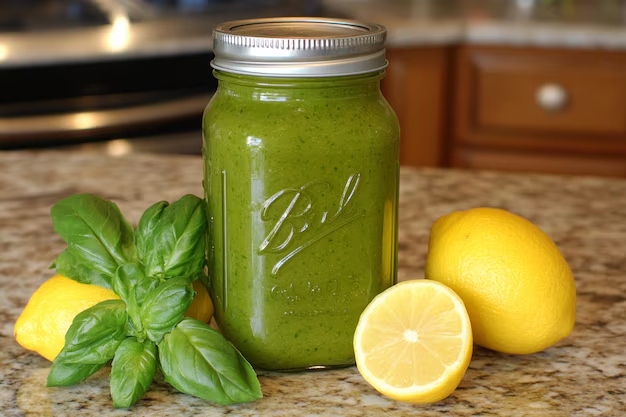
How to Keep Your Homemade Pesto Fresh: Tips and Shelf Life
Few things can transform a simple dish into a culinary delight like a dollop of fresh homemade pesto. This vibrant and flavorful sauce, with its perfect blend of basil, garlic, pine nuts, Parmesan, and olive oil, is a staple in many kitchens. However, once you've made a batch, a key question arises: how long can you keep homemade pesto in the refrigerator before it loses its quality? In this guide, we'll explore the nuances of homemade pesto storage, shelf life, and some useful tips to keep it fresh for as long as possible.
The Basics of Pesto Storage
Why Does Pesto Go Bad?
Pesto, like many fresh foods, is susceptible to spoilage due to the nature of its ingredients. The fresh basil leaves are the most delicate component, prone to wilting and decomposing over time. Moreover, the absence of preservatives — a signature of homemade pesto — means that its shelf life is considerably shorter than its store-bought counterparts.
Factors Affecting Shelf Life
When thinking about the longevity of pesto in your refrigerator, several factors come into play:
- Ingredients: Fresh basil, garlic, and cheese can all spoil within a week. The type of olive oil used can also influence the taste and freshness over time.
- Storage Conditions: Proper sealing and refrigerator temperature settings are crucial.
- Moisture: Excess moisture and exposure to air can promote mold growth.
How Long Does Homemade Pesto Last?
Generally, homemade pesto can last for about 4 to 5 days in the fridge. This timeframe ensures that most of the flavor and nutrients are still intact. However, extending its shelf life while maintaining quality involves careful attention to storage methods.
Signs Your Pesto Has Spoiled
To ensure food safety and quality, regularly check your pesto for these spoilage indicators:
- Color Changes: Darkening of the pesto can indicate spoilage. Fresh pesto should maintain a bright green hue.
- Off Smell: A sour or unusual smell means it's time to discard it.
- Mold Growth: Any visible mold is a clear sign that the pesto should not be consumed.
Best Practices for Storing Homemade Pesto
Airtight Containers Are Key
Preventing air exposure is crucial. Use airtight containers to store pesto, minimizing contact with air, which can lead to oxidation and speed up spoilage.
The Olive Oil Trick
A helpful tip to extend pesto's freshness is to cover the surface with a thin layer of olive oil before sealing it. This acts as a barrier to oxygen, helping to keep the pesto vibrant and fresh.
Freezing Pesto for Extended Storage
If you’ve made more pesto than you can use within a few days, consider freezing it. Freezing pesto can extend its shelf life to several months without compromising much on flavor or quality. Here's how you can do it:
Steps to Freeze Pesto
Portion Control: Use an ice cube tray to freeze pesto in small portions. Once frozen, transfer the pesto cubes to a zip-top bag for easier storage.
Seal and Store: Ensure the bag is sealed tightly to prevent freezer burn.
Thaw Properly: Thaw only what you plan to use. Pesto can be defrosted by placing the cubes in the refrigerator overnight or adding them directly to hot pasta.
Creative Ways to Use Pesto
If you find yourself with lots of pesto on hand, there are plenty of ways to enjoy it beyond pasta. Here are a few ideas to keep your meals exciting:
- Spread on Sandwiches: Elevate your lunch by using pesto as a spread.
- Marinade for Proteins: Use it as a flavorful coating for chicken or fish before grilling.
- Mix into Salad Dressings: Add a spoonful to vinaigrettes for a basil-infused flavor.
- Savory Swirl: Drizzle over soups for an added depth of taste.
Key Takeaways for Safely Storing Pesto
Here's a handy summary to keep in mind:
Refrigerate promptly: Always store homemade pesto in the refrigerator right after preparation.
Use airtight containers: Keep the pesto as fresh as possible by minimizing air exposure.
Check for spoilage: Regularly inspect your pesto for any signs of spoilage before using.
Consider freezing: If in doubt about finishing a batch soon, freeze in convenient small portions to retain flavor.
Get creative: Utilize pesto in various recipes to make the most of its vibrant taste.
🌿✨ Keep these tips in mind, and enjoy the delightful benefits of fresh homemade pesto in your kitchen!
With these guidelines, you're equipped to enjoy your homemade pesto at its best, minimizing waste and ensuring every meal is enhanced with fresh, vibrant flavors. Remember, quality storage practices not only preserve taste but also contribute to food safety, allowing you to savor every last spoonful confidently.