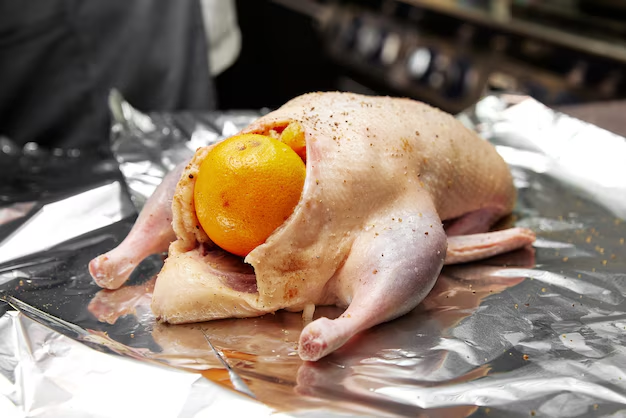
How to Properly Defrost a 15-Pound Turkey in Your Refrigerator
With the holiday season fast approaching, many home cooks are planning their turkey dinners. One of the most critical aspects of preparing a turkey is properly defrosting it. If you’re wondering how long it takes to defrost a 15-pound turkey in your refrigerator, you're in the right place. In this guide, we will explore the timeframe, techniques, and tips for efficiently and safely defrosting your bird. Along the way, we'll also delve into related topics that will enhance your food storage knowledge, ensuring your holiday feast is a success.
🦃 The Timeline for Defrosting a Turkey
Defrosting a 15-pound turkey in the refrigerator is widely regarded as the safest method, ensuring that the bird remains at a safe and consistent temperature. On average, it takes approximately 24 hours for every 4 to 5 pounds of turkey. This means a 15-pound turkey will need about 3 to 4 days to defrost completely in your fridge.
Why the Refrigerator Method?
The key to the refrigerator method is its ability to maintain a steady and safe temperature. This approach minimizes the risk of bacterial growth, which can often occur if the turkey is exposed to temperatures between 40°F and 140°F. By sticking with a method proven to prioritize safety, you preserve the quality and flavor of your bird.
📆 Scheduling Your Defrost
When planning your turkey feast, timing is everything. Here's a simple breakdown to help schedule your defrosting process:
- 4 Days Before Cooking: Place your turkey in the refrigerator to begin defrosting.
- Day of Cooking: Ensure your turkey is thoroughly defrosted. If not, some quick fixes can help you along.
The extra day provides a cushion for unexpected delays or issues.
Preparing Your Fridge
Before placing your turkey in the fridge, make sure there's ample space. Ideally, the turkey should be on a tray or dish to catch any potential drips. Check your fridge's temperature as well—it should be at or below 40°F.
🕰️ Alternative Defrosting Methods
While the refrigerator method is preferred, circumstances may call for faster alternatives. Here are some options:
Cold Water Bath Method
If you're short on time, the cold water bath is a viable alternative. It involves submerging the turkey in cold water, changing the water every 30 minutes to ensure it maintains a cold temperature. Here's what you need to know:
- Defrosting Time: 30 minutes per pound.
- Process: Submerge the turkey breast-side down in its original packaging. Change water regularly.
- Note: Cook turkey immediately after defrosting with this method to ensure safety.
Microwave Method
Though less common for large turkeys, the microwave can be used in a pinch.
- Pros: Quick defrosting when you’re out of options.
- Cons: Inconsistent defrosting can partially cook the turkey, altering texture.
- Recommendation: Use as a last resort if other methods are not feasible.
Food Safety and Practical Tips
Ensuring food safety is paramount during the defrosting process. Here are a few embedded tips to help:
- 👨🍳 Tip 1: Always keep your turkey in its original packaging while defrosting.
- 🚫 Do Not: Leave your turkey out at room temperature to defrost, as this invites bacterial growth.
- 🔪 Handling Practice: Wash hands, surfaces, and utensils thoroughly after handling raw poultry to prevent cross-contamination.
- 📏 Thickness Check: Use a food thermometer to check the innermost part of the thigh, wing, and thickest part of the breast—it should be defrosted before cooking.
🧳 Food Storage Insights
Understanding food storage beyond turkey defrosting will enhance kitchen safety practices.
Proper Storage Post-Thawing
Once your turkey has been defrosted, it can remain in the refrigerator for one to two days before cooking. This added time allows for flexibility in meal prep.
Storing Leftovers
Post-feast, store leftovers effectively to maintain freshness:
- Containers: Use shallow containers or ziplock bags for quicker cooling.
- Refrigerate: Keep leftovers at 40°F or below, ideally within two hours post-meal.
- Freezing: If storing for longer periods, freeze turkey pieces in airtight containers or vacuum-sealed bags.
🤔 Common Questions
What if my turkey is still a bit frozen before cooking?
If your turkey is slightly icy on cooking day, you can continue to roast it. Adjust your cooking time by approximately 50% longer than thawed cook times. Lower temperatures should be slow and steady to prevent uneven cooking.
Can I refreeze a turkey once defrosted?
Refreezing raw turkey after thawing is not recommended, as it can compromise texture and taste. However, once you've cooked the turkey, any remaining can indeed be refrozen.
How should I manage giblets?
Often the package of giblets is stored within the cavity. Before cooking, confirm they have been fully removed.
Defrosting Without a Fridge
If you're dealing with a broken fridge or limited space, focus on the cold water method with vigilant temperature control. Avoid room temperature settings entirely.
📊 Quick Reference Table
Here's a summarized visual to reinforce the key points:
| Method | Time per Pound | Safe Timeframe (for 15 lb) | Notes |
|---|---|---|---|
| Refrigerator | 24 hours | 3 to 4 Days | Safest and most reliable |
| Cold Water Bath | 30 minutes | 7.5 Hours | Change water regularly |
| Microwave | Varies | Last Resort | May partially cook parts |
In preparing your 15-pound turkey for a grand meal, the time and care put into defrosting can make all the difference in flavor and safety. Choosing the refrigerator method promotes the most reliable results, but knowing alternatives empowers you to adjust as needed. With these thoughtful tips and strategies, you’re well on your way to mastering the centerpiece of your holiday celebrations. Embrace the process and a delicious feast awaits!