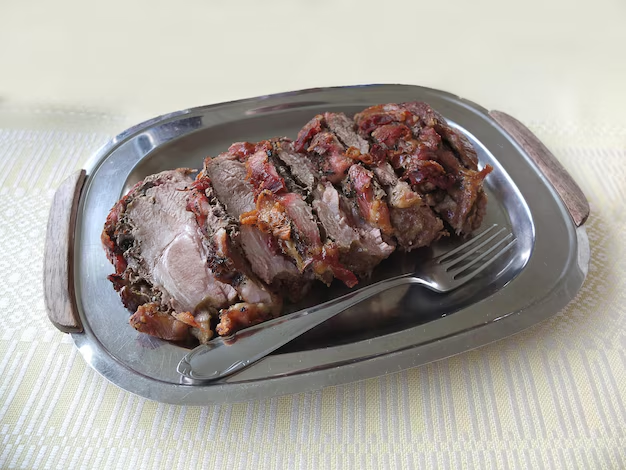
Mastering the Art of Thawing Prime Rib in the Refrigerator
Imagine preparing to host an exquisite dinner where the star of the table is a perfectly roasted prime rib. This culinary masterpiece, with its juicy, tender texture, can impress any guest. However, to achieve this level of perfection, you must begin with a critical step: properly thawing the prime rib. Thawing it in the refrigerator is recommended for even results while maintaining the integrity of the meat. But how long does this process take, and what factors influence thawing times? This guide will explore these questions and more, ensuring your prime rib is ready for its grand debut.
Understanding Prime Rib and Its Importance
Prime rib, also known as a standing rib roast, is one of the most sought-after cuts of beef. Known for its marbling, tenderness, and rich flavor, it has become a favorite for special occasions and holiday feasts. Given its premium nature, respecting this cut means handling and preparing it with care.
Why Thawing in the Refrigerator is Key
Thawing your prime rib in the refrigerator is one of the safest methods. It allows the meat to thaw evenly and slowly, minimizing the risk of bacterial growth that can occur if meat is left at room temperature. This method preserves the texture and flavor that make prime rib so special. By placing your prime rib in the refrigerator, you give it the time it needs to thaw properly, ensuring a delicious and successful cooking outcome.
How Long to Thaw Prime Rib in the Refrigerator
The time needed to thaw prime rib in the refrigerator depends on several factors, primarily the size of the cut. However, a good rule of thumb for refrigerator thawing is to allocate 24 hours for every 5 pounds of meat. Here's a breakdown:
- Small Roast (5 pounds or less): Approximately 24 hours
- Medium Roast (6-10 pounds): 48 hours
- Large Roast (11-15 pounds): 72 hours or more
Important Considerations
- Temperature: Make sure your refrigerator is set to 40°F (4°C) or below to maintain safety.
- Packaging: Keep the meat in its original packaging, or place it in an airtight container or a plastic bag to prevent any potential leakage and ensure the meat doesn't absorb other odors.
- Preparation Time: Plan ahead, especially for larger cuts. It's often better to err on the side of caution and start thawing earlier than you think necessary.
Factors Affecting Thawing Time
While weight is a central factor, other elements can influence how long it takes for your prime rib to thaw properly.
Thickness and Shape
- Thickness: Thicker portions of meat naturally require more time to thaw. Evenly shaped cuts will thaw more consistently than irregular ones.
- Shape: Flatter roasts may thaw slightly faster compared to those that are more compact.
Refrigerator Efficiency
- Position in Fridge: Items placed at the back where it's coldest may thaw slower than those closer to the door.
- Fridge Contents: A packed fridge may affect airflow and the evenness of the refrigerator's chill, prolonging the thawing time.
Meat Quality and Packaging
- Quality: Higher-fat cuts may take slightly longer to thaw than leaner ones as fat conducts cold less effectively than muscle.
- Packaging: Vacuum-sealed packages can help speed the process slightly due to their tight fit against the meat's surface.
Tips for Efficient Thawing
- Monitor Temperature: Keep a simple thermometer in your refrigerator to ensure it's consistently at a safe temperature.
- Flat Surface: Lay the prime rib on a flat surface in the refrigerator to promote uniform thawing.
- Avoid Frequent Checking: Opening the packaging mid-thaw can expose the meat to bacteria and disrupt the thawing process.
Related Subtopics: Ensuring Food Safety & Quality
Beyond thawing, ensuring food safety and maintaining the prime rib's exceptional quality involves several best practices. Let's delve into some of these critical aspects to elevate your culinary experience.
Safe Handling Practices
- Clean Surfaces and Hands: Always wash your hands and surfaces before and after handling raw meat.
- Use Appropriate Tools: Designate specific knives and cutting boards for raw meats to avoid cross-contamination.
Storing Leftovers
If you have leftovers after the meal, ensure they're stored safely to enjoy later.
- Cool Quickly: Get leftovers in the refrigerator within two hours of cooking.
- Proper Storage: Use airtight containers and consume within 3-4 days, or freeze for longer storage.
Preparing Your Prime Rib for Cooking
Once thawed properly, the next steps in preparation are equally vital to creating a memorable dining experience.
Seasoning and Marinating
- Simple Seasoning: Salt and pepper are classic and enhance the meat's natural flavors. For those looking for more zest, garlic, rosemary, and thyme can make great additions.
- Marinating: If you choose to marinate, ensure even coverage and allow at least several hours for the flavors to penetrate. However, some purists prefer minimal seasoning to let the beef's quality shine.
Resting the Meat
- Rest Before Cooking: Allow the prime rib to sit at room temperature for about one hour before cooking. This step helps it cook more evenly.
- Rest After Cooking: Always rest the roast after cooking for at least 15-30 minutes. It helps retain juices and ensures even texture throughout the roast.
Cooking the Perfect Prime Rib
Achieving the ideal prime rib requires attention to detail during cooking. Here's how to ensure success.
Methods and Techniques
- Roasting: Slow roasting at a lower temperature yields a more uniformly cooked slice, while a quick high-heat roast gives a nicely browned crust.
- Searing: Starting or finishing with high heat (known as reverse sear) can enhance the depth of flavor and produce a crispy exterior.
Checking Doneness
- Use a Thermometer: Invest in a meat thermometer. Prime rib is best served medium rare to medium:
- Medium Rare: 130-135°F (54-57°C)
- Medium: 135-140°F (57-60°C)
Serving the Prime Rib
To showcase your dish to its fullest potential:
- Carving Techniques: Use a sharp knife for neat slices. Consider the grain of the meat and cut across it for tenderness.
- Garnishes: Pair with sides like horseradish sauce or a red wine jus for added flair.
Visual Summary: Key Tips for Thawing and Preparing Prime Rib
Here’s a handy guide to keep in mind:
- ⏰ Timing: 24 hours per 5 pounds
- 🌡️ Temperature: Keep under 40°F in the fridge
- 📦 Packaging: Use airtight packaging
- 🔪 Preparation: Rest both before and after cooking
- 🌿 Seasoning: Use salt and pepper or aromatic herbs
- 🍽️ Serve: Medium rare for the perfect bite
By following these detailed steps and insights, thawing and preparing your prime rib becomes a straightforward process, resulting in a dish that truly wows at the dinner table. Enjoy your culinary masterpiece, and relish the delectable flavors that prime rib has to offer!