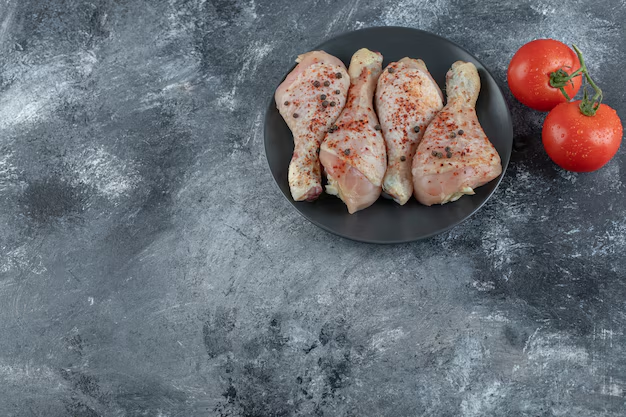
Mastering Turkey Preparation: Thawing Turkey Breast in the Refrigerator
As the holidays approach, many of us turn our thoughts to traditional feasts with turkey often taking center stage. Whether you're planning a grand Thanksgiving celebration or a cozy family dinner, knowing how to properly thaw your turkey breast is crucial for a successful culinary experience. Let's dive into the best practices, timelines, and tips for safely thawing turkey breast in the refrigerator.
Why Thawing Turkey Breast Correctly Matters
Thawing turkey breast properly is not just about convenience, it's also about safety and flavor. When done correctly, thawing preserves the quality of the meat, ensuring it remains juicy and flavorful during cooking. More importantly, proper thawing reduces the risk of bacterial growth, which can cause foodborne illnesses.
Understanding the Thawing Process
The Science Behind Thawing
At the core of thawing is temperature control. Turkey, like other meats, needs to be thawed at a constant, safe temperature to prevent spoilage and bacterial contamination. The refrigerator provides the ideal environment, maintaining a consistent temperature that allows the turkey to thaw slowly and safely.
How Long Does It Really Take?
A rule of thumb is that it takes approximately 24 hours for every 4 to 5 pounds of turkey breast to thaw in the refrigerator. Here's a simple breakdown:
- 4 to 5-pound turkey breast: About 24 hours
- 8 to 10-pound turkey breast: About 48 hours
It's always advisable to give yourself an extra day. This ensures that your turkey is completely thawed, and you've got some flexibility in case your plans change.
Planning Ahead
Timing is Everything
When planning your meal, consider the total time needed for thawing, marinating (if desired), and cooking. For instance, if you plan to serve your turkey on a Friday, begin thawing by Wednesday to ensure adequate time for all preparation steps.
Storage Considerations
Ensure your refrigerator is set to 40°F (4°C) or below. Place the turkey on a tray or in a container to catch any drips, and position it at the bottom to avoid contamination of other foods.
Food Safety First
Thawing your turkey on the counter or in warm water can promote bacterial growth. Always opt for the refrigerator method to maintain food safety standards.
Beyond Thawing: Prepping Your Turkey Breast
Seasoning and Marinating
After thawing, consider how to season your turkey. Dry brining—rubbing salt and spices over the turkey and allowing it to rest in the refrigerator—can enhance flavor and tenderness.
The Art of Marinating
If marinating, ensure the turkey is fully thawed. Use ingredients like garlic, herbs, and citrus to infuse flavor. Always use a non-reactive container such as glass or food-grade plastic.
Cooking Preparations
Ensure you have all necessary equipment ready: a reliable meat thermometer, roasting pan, and proper carving tools. Check your recipes and gather ingredients in advance.
Quick Tips for Thawing Success
- 🕒 Plan ahead: Start thawing 2 to 3 days before cooking.
- 🌡️ Monitor temperatures: Keep the fridge at 40°F (4°C) or below.
- 🔒 Contain your turkey: Use a tray to prevent cross-contamination.
Exploring Alternatives
Quick Thaw Methods
If you're short on time, there are quicker (though less preferred) methods. Submerging the turkey breast in cold water, changing the water every 30 minutes, can speed up the process. However, this method requires vigilance and constant monitoring.
The Cold Water Method Breakdown
- Small turkey breasts (4-5 pounds): Approximately 2-3 hours
- Medium turkey breasts (8-10 pounds): Approximately 4-6 hours
Microwave Thawing
Thawing turkey breast in a microwave can be done but is generally not recommended for a large piece like turkey breast, as it can lead to uneven thawing and potential pre-cooking.
Maintaining Quality and Flavor
Cooking from Frozen: Is It Possible?
If you're really pressed for time, cooking a turkey from frozen is possible but not recommended for best results. It requires an extended cooking time and diligent monitoring with a meat thermometer to ensure safety.
Resting and Serving
Let your cooked turkey breast rest after removing it from the oven. This allows juices to redistribute, ensuring a juicy and flavorful serving.
Creative Leftovers
Leftover turkey can be a delight. Consider options like turkey sandwiches, salads, or soups for utilizing every tasty morsel.
Visual Breakdown: Thawing Turkey Breast in Refrigerator
| Weight | Thawing Time in Fridge | Quick Thaw (Cold Water) |
|---|---|---|
| 4-5 pounds | 24 hours | 2-3 hours |
| 8-10 pounds | 48 hours | 4-6 hours |
Bringing It All Together
Patience is your greatest ally in the kitchen. Taking the time to properly thaw your turkey breast not only preserves its natural flavors but also ensures a safe, delightful meal. As you prepare to gather around the table with loved ones, armed with this knowledge, you're well-equipped to make your turkey the star of the feast. Happy cooking! 🍽️