When Will Your Refrigerator Pickles Be Ready to Eat?
Who doesn't love the satisfying crunch of a perfectly pickled cucumber? If you're new to the art of making refrigerator pickles, you might be wondering just how long you'll need to wait before enjoying your homemade treat. The good news is that refrigerator pickles are a quick and easy way to enjoy pickles without the hassle of traditional canning methods. Let’s dive deep into the world of refrigerator pickles and explore everything you need to know about getting them ready for your taste buds.
🥒 What Are Refrigerator Pickles?
Refrigerator pickles are a simple, homemade alternative to store-bought pickles. Unlike traditional pickling methods that require canning and a more extended preservation process, refrigerator pickles are stored in the fridge and are typically ready to eat within a few days. They retain a delightfully crisp texture and fresh taste that is often lost in canned pickles, all while being incredibly easy to make.
Key Ingredients
- Cucumbers: The star ingredient, usually small pickling cucumbers, is ideal for the best texture.
- Vinegar: Adds acidity and tang, helping preserve the cucumbers.
- Water: Dilutes the vinegar, ensuring the pickles aren’t too tart.
- Salt: Essential for flavor and acts as a preservative.
- Sugar: Optional, but adds a touch of sweetness that balances the brine.
- Herbs & Spices: Dill, garlic, mustard seeds, and peppercorns are common additions.
⏳ Timeline: How Long Until They’re Ready?
One of the most appealing aspects of refrigerator pickles is their quick turnaround time. But how soon can you dig in?
- 48 Hours: This is the minimum time you should wait. At this point, the cucumbers are just starting to absorb the flavors of the brine.
- 1 Week: By now, the flavors are much more developed, offering a harmonious blend of vinegar, spices, and cucumber.
- 2 Weeks: Considered optimal by many pickle enthusiasts. The cucumbers have absorbed plenty of brine and exhibit a mature, cohesive flavor profile.
Factors Affecting Readiness
- Slice Thickness: Thinner slices tend to pickle faster than whole or thicker-cut pieces.
- Brine Intensity: A stronger brine (more salt, vinegar, and spices) might mean quicker flavoring.
- Temperature: Generally, a colder fridge will slow down the pickling process. Aim for a consistent refrigerator temperature around 37°F (3°C).
🛠️ How to Make Perfect Refrigerator Pickles
For those new to the journey of pickling, here's a basic guide to creating your batch of refrigerator pickles.
Ingredients
- 1 pound mini cucumbers or pickling cucumbers
- 1 cup vinegar (white or apple cider)
- 1 cup water
- 2 tablespoons kosher salt
- Optional: 1 tablespoon sugar
- 2-3 garlic cloves, crushed
- Fresh dill sprigs
- 1 teaspoon mustard seeds
- 1 teaspoon black peppercorns
Instructions
- Prepare Your Cucumbers: Wash and dry the cucumbers. Cut into spears or slices, depending on preference.
- Make the Brine: Combine vinegar, water, salt, and sugar in a saucepan. Bring to a simmer, dissolving the salt and sugar.
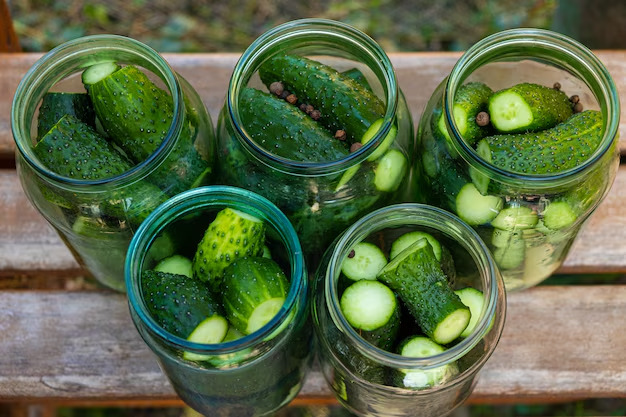
- Pack the Jars: In a clean jar, layer cucumbers with garlic, dill, mustard seeds, and peppercorns.
- Add the Brine: Pour the hot brine over the cucumbers, ensuring they're fully submerged.
- Cool and Refrigerate: Let the jars cool to room temperature before sealing with a lid. Place in the refrigerator.
Tips for Success
- Submerge Completely: Ensure all cucumbers are under the brine to prevent spoilage.
- Experiment with Flavors: Try adding onion slices, red pepper flakes, or other herbs for unique twists.
- Label and Date: Mark the date on the jar to track the pickling timeline.
🥗 Storage and Shelf Life
Refrigerator pickles are best enjoyed fresh, but how long do they actually last?
- Shelf Life: Most refrigerator pickles stay fresh for 4–6 weeks. Their flavor and texture may degrade over time.
- Signs of Spoilage: If you notice any unusual odors, mold, or changes in color, it’s best to discard them.
- Storage Tips: Always use clean utensils to prevent contamination, and keep jars tightly sealed.
🍴 Delicious Ways to Enjoy Your Pickles
Beyond eating them straight from the jar, refrigerator pickles can elevate many dishes:
- Sandwiches and Burgers: Add a tangy crunch to any sandwich or burger.
- Salads: Dice and toss them into potato salad or coleslaw for extra flavor.
- Appetizer Platters: Pair with cheese and charcuterie boards as a refreshing bite.
📋 Summary: Key Takeaways for Pickle Success
Here’s a quick rundown of essential tips for your refrigerator pickling journey:
- 👩🍳 Start Simple: Use basic ingredients and modify as desired.
- ⏰ Wait Patiently: Allow at least 48 hours for initial flavor absorption.
- 💧 Keep Them Submerged: Ensure cucumbers remain below the brine line for safety.
- 🧂 Adjust to Taste: Feel free to tweak salt, sugar, and spice levels.
- 🚫 Watch for Spoilage: Be mindful of any changes that might indicate the pickles have gone bad.
The act of making refrigerator pickles is a simple yet rewarding process that results in a delicious snack or condiment. With just a bit of patience and experimentation, you’ll soon have a jar of perfectly tangy, crisp pickles ready for any meal or snack craving. Embrace the ease and appeal of refrigerator pickling and take a little time to enjoy the fruits—or rather, vegetables—of your labor!