Keeping Fish Fresh: How Long Will It Last in Your Refrigerator?
Storing fish properly is crucial not only to maintain its freshness but also to ensure its safety for consumption. If you're wondering how long fish stays fresh in the refrigerator, this guide will provide you with all the necessary insights. From understanding optimal storage techniques to recognizing signs of spoilage, we aim to empower you with knowledge that could spare you from the unpleasant experience of food waste or, worse, foodborne illnesses. 🐟
Understanding Fish Freshness: What Affects It?
Fish, like other perishable items, can spoil quickly. The factors contributing to fish freshness in your refrigerator include the fish's quality upon purchase, the method of storage, and the refrigerator's temperature settings.
Quality at Purchase
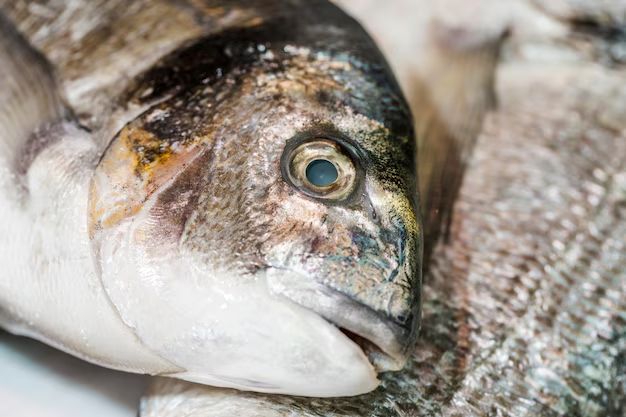
The journey to keeping fish fresh begins at the store. Selecting high-quality fish can significantly extend its freshness. Look for fish that:
- Has a bright and clear appearance.
- Exhibits a slight sheen.
- Possesses firm, elastic flesh.
- Does not have an overpowering "fishy" odor.
Storage Methods
Ensuring that your refrigerator is set at the proper temperature, ideally below 40°F (approximately 4°C), is crucial. Fish should be stored in the coldest part of the refrigerator, often the back or designated meat compartment. Proper packaging using moisture-proof wrappings or airtight containers can also reduce exposure to air and moisture, helping maintain freshness.
How Long Does Fish Stay Fresh in the Fridge?
As a general guideline, fresh fish can stay in your refrigerator for up to two days. However, several conditions can influence this timeframe.
Whole Fish vs. Fish Fillets
- Whole Fish: Typically, whole fish can remain fresh in the fridge for about 1-2 days. It's advisable to gut and clean the fish if you plan to store it for the maximum period.
- Fish Fillets: Fillets have a smaller surface area and can spoil more quickly, maintaining peak freshness for about 1-2 days.
Fatty vs. Lean Fish
- Fatty Fish (e.g., salmon, mackerel): Due to their higher fat content, these can spoil faster and are more sensitive to changes in temperature.
- Lean Fish (e.g., cod, halibut): These may have a slightly longer shelf life, staying fresher around 2-3 days.
Signs Your Fish Has Spoiled
It's crucial to spot spoilage signs, as consuming spoiled fish can lead to foodborne illnesses. Here are some indicators that your fish is no longer safe to eat:
- Smell: An overly strong, fishy, or sour odor.
- Appearance: Dull, milky-colored flesh or slimy texture.
- Texture: Flesh that doesn't spring back or feels mushy.
Extending Fish Freshness: Tips and Tricks 📝
Keeping fish fresh and safe involves a few proactive strategies. Here are some expert tips:
- Ice Bed: When storing whole fish, placing it on a bed of ice within a shallow pan can mimic fish market conditions, extending freshness.
- Vacuum Sealing: This can significantly extend the freshness by minimizing exposure to air, which leads to spoilage.
- Freezing: If you don't plan to use the fish within a day or two, freezing is an excellent option. Ensure it is wrapped tightly in moisture-proof material or vacuum-sealed.
Practical Tips for Fish Storage in the Refrigerator
To make this information readily accessible, here's a summary of tips to keep your fish fresh:
- 🧊 Keep fish on ice: If storing for a short period, ice can help.
- 🌡️ Maintain proper temperature: Ensure your refrigerator is below 40°F (4°C).
- 📦 Use airtight containers: Reduce exposure to air by using airtight packaging.
- ⏰ Time your storage: Consume fish within 1-2 days or freeze if necessary.
Related Topics: Preserving and Cooking Fish
The Art of Freezing Fish
Freezing fish is a time-proven method to preserve its freshness and nutritional value for extended periods. When done correctly, you can enjoy the same quality and taste as fresh fish. Steps to freeze fish include:
- Clean and Dry: Ensure the fish is clean and dry before freezing.
- Portion Control: Cut fish into portions for convenience.
- Seal Tight: Use vacuum-sealed bags or freezer paper to prevent freezer burn.
Infusing Flavor: Marinating Fish
Marinating fish can enhance its flavors, making meal preparation more enjoyable. Whether it's a mix of spices, lemon juice, or herbs, allowing fish to marinate for a short period can mask any slight odors while adding exciting flavors. However, avoid marinating for too long as it can alter the texture, making it mushy.
Cooking Techniques for Optimal Taste
Cooking methods can affect the final taste and texture of fish. Here are popular techniques:
- Grilling: Brings out the natural flavors of fatty fish like salmon.
- Poaching: Keeps lean fish moist and tender, perfect for delicate varieties.
- Baking: Retains the fish’s juices, providing a tender and flavorful outcome.
Empowering Responsible Fish Storage
Proper fish storage isn't just about avoiding food waste; it's also a matter of safety and sustainability. By understanding the shelf life of fish in the refrigerator, recognizing spoilage signs, and employing smart preservation methods, we can enjoy the flavors and health benefits of fish while being mindful of our consumption habits.
Storing fish wisely allows us to take full advantage of its nutrients, creating delicious and diverse meals that support a healthy lifestyle. So, next time you wonder how long fish will stay fresh in the refrigerator, you'll have a go-to guide to reference and share with others. 🐠🍽️