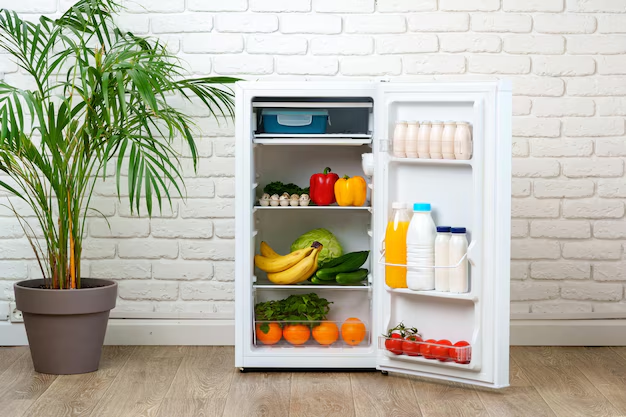
Extending the Shelf Life: How Long Does Food Last in the Refrigerator?
Keeping your refrigerator stocked is as much about smart storage as it is about culinary creativity. But have you ever paused and wondered how long that carton of milk or leftover lasagna will last in the chilly confines of your fridge? Understanding the optimal shelf life of refrigerated foods not only ensures your meals are safe but also helps in reducing waste and saving money. Let's dig deep into this riveting world of refrigeration and explore how long your favorite foods can truly last.
🥦 Fresh Produce: Keep it Crisp and Fresh
Vegetables
Vegetables are a staple of any healthy diet, and their longevity in your fridge can vary widely:
- Leafy Greens: Spinach, kale, and lettuce typically last about 5 to 7 days in the fridge. Storing them in airtight containers or using produce bags can help retain their crispness.
- Root Vegetables: Items like carrots and beets have a longer shelf life, often lasting 2 to 4 weeks. These should be stored in a cool, dark section of your fridge, ideally in the crisper drawer.
- Cruciferous Vegetables: Vegetables such as broccoli and cauliflower can remain fresh for up to one week.
Fruits
Fruits can also vary significantly in their refrigeration timeframe:
- Berries: Soft fruits like strawberries and raspberries are best eaten within 2 to 3 days.
- Apples and Pears: These fruits have a longer life span of 3 to 4 weeks when refrigerated.
- Citrus Fruits: Oranges, lemons, and limes can last for up to 3 weeks in the refrigerator.
🥩 Proteins: Meat, Seafood, and Alternatives
Meat and Poultry
Meat and poultry are more sensitive to storage conditions. Here's a general guide:
- Raw Chicken: This should only be stored for 1 to 2 days due to its high susceptibility to bacteria.
- Red Meat: Beef, pork, and lamb can last 3 to 5 days when raw and refrigerated properly.
- Cooked Meat: Once cooked, these proteins can safely be stored for an additional 3 to 4 days.
Seafood
Seafood requires even more careful attention:
- Fish and Shellfish: Opt to consume within 1 to 2 days of refrigeration to ensure freshness.
- Smoked Fish: These can last for about 10 days due to the smoking process acting as a preservative.
Plant-Based Proteins
Plant-based eaters should also be aware of their food's shelf life:
- Tofu: Kept sealed, tofu can last up to a week.
- Tempeh: Often lasts longer than tofu, with a time frame of 2 to 3 weeks.
🥖 Dairy and Egg Products: Maintain the Creaminess
Dairy
Dairy products need to be consumed before they spoil, potentially saving you a delightful milk-based mishap:
- Milk: Regular milk can be expected to last 7 days after opening.
- Cheese: Most cheeses, especially hard ones, can last about 3 to 4 weeks.
- Yogurt: Typically remains fresh for up to 2 weeks after opening.
Eggs
Eggs enjoy a relatively long fridge life:
- Whole Eggs: These can last 3 to 5 weeks if stored properly.
- Egg Whites and Yolks: Separated eggs should be used within 2 to 4 days.
🍽️ Leftovers and Prepared Foods
Cooked Meals
Leftovers and pre-prepared meals offer convenience at the cost of a shorter shelf life:
- Cooked Soups and Stews: Usually remain good for 3 to 4 days.
- Casseroles and Lasagna: Should be consumed within 3 to 5 days.
🕒 Tips and Tricks for Extending Shelf Life
Preservation goes beyond mere refrigeration. Here are some handy tips:
- Temperature Management: Maintain your fridge at 40°F (4°C) or below to slow bacterial growth.
- Proper Storage: Use airtight containers for leftovers to reduce contamination risks.
- Avoid Overcrowding: Ensure adequate airflow by not stuffing your fridge fully, allowing cold air to circulate optimally.
- Labeling: Label and date your items to keep track of freshness and usage timelines.
- Crisper Drawers: Utilize these for fruits and veggies as they help in retaining moisture at a regulated level.
🍋 Quick Reference Guide: Food Storage Times
To make life easier, here is a summary of common fridge essentials and their shelf life:
| Category | Food Item | Shelf Life |
|---|---|---|
| Vegetables | Leafy Greens | 5-7 Days |
| Root Vegetables | 2-4 Weeks | |
| Fruits | Berries | 2-3 Days |
| Apples and Pears | 3-4 Weeks | |
| Meat and Poultry | Raw Chicken | 1-2 Days |
| Red Meat | 3-5 Days | |
| Cooked Meat | 3-4 Days | |
| Seafood | Raw Fish | 1-2 Days |
| Dairy | Milk | 7 Days |
| Cheese | 3-4 Weeks | |
| Yogurt | 2 Weeks | |
| Eggs | Whole Eggs | 3-5 Weeks |
| Leftovers | Cooked Meals | 3-4 Days |
🏡 The Bigger Picture: Embracing Food Safety and Minimizing Waste
In today's world, where sustainability and reducing waste are more crucial than ever, understanding the shelf life of your food is a vital skill. Proper storage practices do more than just preserve your purchases; they play a role in conserving resources and minimizing environmental impacts.
By following the guidelines outlined above, you'll not only enhance your overall food experience but also contribute to a better-managed lifestyle. From flavorful veggies to succulent meats, a well-informed approach will help you enjoy every delicious bite while keeping waste at bay.
Every refrigerator functions uniquely, so always keep an eye on the smells, colors, and textures of your food. Your senses are the key indicators of freshness, complementing these guidelines in maintaining the right balance between safety and enjoyment. Happy refrigerating! 🌟