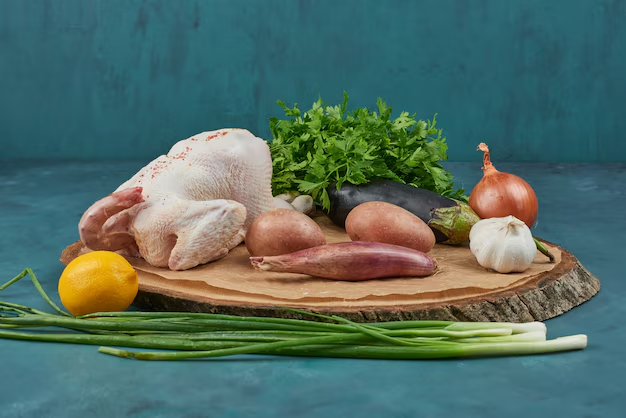
How Long Can You Keep Fresh Turkey in Your Refrigerator?
Thanksgiving is more than just a feast; it's a symphony of flavors, traditions, and togetherness. Among its star players, the turkey holds a place of honor. But whether you're preparing for Thanksgiving or simply planning a special dinner, understanding how long a fresh turkey can be stored in your refrigerator is essential for ensuring a delicious and safe meal. In this guide, we’ll explore not just the shelf life of turkey, but also best practices for storage, signs of spoilage, and how to optimize the freshness of your bird.
Understanding Fresh Turkey Storage
When bringing home a fresh turkey, it's crucial to know how to store it properly to preserve its quality and safety. The refrigerator is your best ally in this crucial task, but it’s important to understand the specific conditions required to maximize freshness.
How Long Will Fresh Turkey Stay Fresh?
A fresh turkey can typically remain safe in the refrigerator for 1 to 2 days. If you plan to keep it any longer before cooking, it's best to store it in the freezer. The timing can vary slightly depending on the temperature control and conditions of your refrigerator.
Key Factors Affecting Shelf Life:
- Temperature: Refrigerators should be set to 40°F (4°C) or lower.
- Packaging: Keep the turkey in its original packaging to minimize the risk of bacterial contamination.
- Storage Location: Store it on the bottom shelf to avoid any risk of meat juices dripping onto other foods.
📜 Quick Tip: Turkey Storage General Rule
- 🦃 Fresh Turkey: 1-2 days in the refrigerator
- ❄️ Frozen Turkey: Several months in the freezer for best quality
Maximizing Fresh Turkey's Refrigerator Life
To get the most out of your fresh turkey, storage methods play a crucial role. Let's delve into how you can extend the shelf life and maintain the quality of your turkey.
Refrigerator Storage Guidelines
- Humidity Control: If your refrigerator has a humidity control, adjust it to help maintain the optimal environment for storing meat.
- Separate Containers: While keeping the turkey in its original packaging is ideal, place it in a rimmed tray to catch any juices that may leak.
- Organized Storage: Ensure that your refrigerator is not overpacked. Air needs to circulate around the meat to maintain an even temperature.
Freezing When You Need Extra Time
Sometimes, plans change, and you may need to store your turkey for longer than anticipated. Freezing the turkey is a great option.
- Wrap It Right: Use heavy-duty aluminum foil or freezer-specific plastic wrap for optimal protection against freezer burn.
- Label and Date: Always remember to label your turkey with the date it was placed in the freezer to keep track of how long it's been stored.
Recognizing Signs of Spoilage
Knowing the signs that a turkey has surpassed its prime can prevent foodborne illnesses and keep your meals tasty.
Visual and Sensory Indicators of Spoilage:
- Color Change: Fresh turkey often has a pale, pink hue. A grayish, slimy, or greenish tint indicates spoilage.
- Odor: A sour or off smell is a clear indication that the turkey is no longer safe to eat.
- Texture: If the skin feels tacky or sticky, this can be a sign of decay.
🔍 Spot-Check Summary
- 🚫 Discoloration: Check for gray, green, or slimy textures.
- 👃 Smell: Sour or rancid odor? It’s time to let go.
- 👋 Feel: Sticky texture can be a red flag.
Tips to Avoid Common Storage Mistakes
Even seasoned cooks sometimes make mistakes that can affect food safety and quality. Here’s how to avoid them:
Common Mistakes and Solutions
- Overstuffing the Fridge: Ensure adequate space around all items for air circulation.
- Ignoring Temperature Settings: Regularly check your refrigerator’s temperature settings.
- Using Faulty Thermometers: Test your meat thermometer's accuracy occasionally to ensure proper readings.
Related Considerations for Turkey Perfection
Storing your turkey properly is only one part of the preparation process. Pairing storage techniques with other best practices can enhance your culinary experience.
Thawing Frozen Turkey
For those who have stored turkey in the freezer, safe thawing practices are essential.
- Refrigerator Thawing: Plan ahead — it can take about 24 hours for each 4-5 pounds.
- Cold Water Thawing: Submerge the turkey in its original packaging in cold water, changing the water every 30 minutes.
Food Safety and Hygiene
Always practice good hygiene when handling raw turkey.
- Hand Washing: Before and after handling poultry, wash hands with soap and water.
- Cleaning Surfaces: Clean and disinfect all surfaces and tools that come into contact with raw turkey.
🎯 Turkey Prep Cheat Sheet
- 🧼 Hygiene First: Wash hands and surfaces thoroughly.
- 🕒 Plan Ahead: Remember the time needed for thawing.
- 🌡️ Aim for Perfection: Use a thermometer for precise cooking.
Cooking and Storing Leftovers
Finally, after storing and cooking, there's handling the delicious leftovers that can follow a turkey feast.
Repurposing Leftovers
- Storage: Refrigerate cooked turkey within two hours of cooking.
- Creative Cooking: Think turkey soups, sandwiches, and casseroles to creatively use leftovers.
Proper Leftover Storage
- Separate Containers: Store carved turkey in shallow, airtight containers to cool quickly and evenly.
- Leftover Lifespan: Use within 3 to 4 days; freeze leftovers for longer storage.
🥳 Thanksgiving Leftover Tips
- 🍞 Sandwich Saver: Keep turkey sandwich snacks fresh for days.
- 🍲 Soup Souvenirs: Transform turkey into soups or stews.
Conclusion
Understanding how long a fresh turkey can stay safe in the refrigerator is vital for not just holiday dining, but for everyday meal preparation. By adhering to the guidelines above, you can ensure that your turkey remains both delicious and safe to eat, offering the perfect centerpiece to any meal. Whether you're planning a festive feast or a simple dinner, these best practices and tips will empower you to create memorable moments with family and friends.
Make every turkey dish a success with proper storage, careful preparation, and sensible leftovers management. Happy cooking! 🦃✨