Fresh and Safe: The Shelf Life of Homemade Mayonnaise in Your Refrigerator
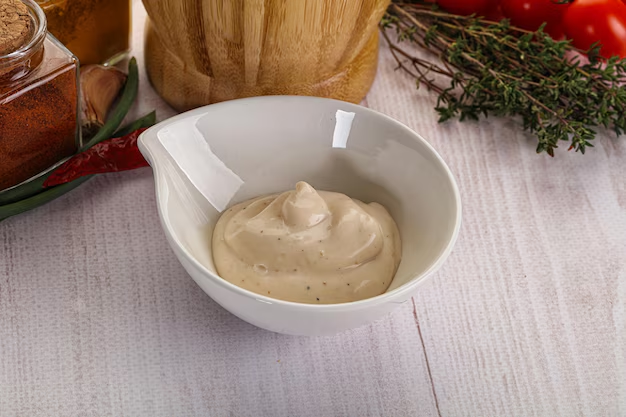
Making your own mayonnaise at home can be a fun and rewarding culinary adventure. Its creamy texture and customizable flavor profile—capers, lemon, herbs, you name it—are hard to resist. But how long does homemade mayonnaise actually last in the refrigerator? This question is not just about stretching your homemade spread as far as possible; it's about ensuring your food remains safe and delicious. Let's dive into everything you need to know about the shelf life of homemade mayonnaise, including storage tips and best practices.
The Lifespan of Homemade Mayonnaise
Understanding how long homemade mayonnaise lasts in the refrigerator is crucial for maintaining both its taste and safety. Compared to its store-bought counterparts, homemade mayonnaise is lacking in preservatives, which affects its longevity.
Factors Affecting Shelf Life
Ingredients: The primary ingredients in mayonnaise—egg yolks, oil, and an acid like vinegar or lemon juice—all have shelf lives of their own. Fresh eggs are particularly important as they are more prone to contamination, which can lead to spoilage.
Storage Conditions: Refrigeration is essential for extending the lifespan of your homemade mayonnaise. Cold temperatures slow down bacterial growth, but knowing the ideal storage conditions can make a significant difference.
Usage and Handling: Every time the lid is opened, external elements are introduced. This includes bacteria from utensils or even from hands, which can accelerate spoilage.
General Guidelines
Homemade mayonnaise will generally last about one to two weeks in the refrigerator under optimal conditions. However, keeping a keen eye on the signs of spoilage is essential.
Recognizing Spoilage: When to Toss Your Mayo
Knowing when your homemade mayonnaise has outlived its prime is crucial for food safety.
Key Signs of Spoilage
- Odd Smell: An off or pungent smell is often the first indicator that your mayonnaise has gone bad. Fresh mayo should smell pleasantly of its ingredients.
- Texture Changes: If the texture becomes lumpy or begins to separate significantly, it's a red flag.
- Discoloration: If you notice your mayo turning an unappetizing shade, it's time to say goodbye.
- Mold Growth: This is a late-stage sign of spoilage and should prompt immediate disposal.
Best Practices for Storing Homemade Mayonnaise
To expand the shelf life of your homemade mayonnaise, follow some simple yet effective storage tips.
Storage Tips
Use Fresh Ingredients: Start with the freshest eggs you can find to maximize shelf life.
Clean Containers: Store your mayonnaise in a sterilized, airtight container. This limits exposure to microorganisms.
Fridge Placement: Store mayonnaise in the coldest part of your refrigerator, typically the back, rather than the door where temperatures fluctuate.
Limit Exposure: Use clean utensils each time you scoop out mayonnaise. This reduces contamination risks significantly.
Pro Tip
🍋 Increase acidity slightly with more lemon juice or vinegar. A higher acidity can help prolong freshness by inhibiting bacterial growth.
Homemade vs. Store-Bought: Pros and Cons
While homemade mayonnaise stands in a league of its own, it’s worth exploring how it contrasts with its store-bought relatives, particularly regarding longevity and safety.
Advantages of Homemade Mayonnaise
- Customization: Tailor the flavor to your liking with endless ingredient combinations.
- Freshness: Homemade mayonnaise generally tastes fresher.
- Additive-Free: Free from artificial preservatives, colors, or flavors.
Limitations
- Shorter Shelf Life: Homemade lacks the preservatives found in commercial brands.
- Risk of Contamination: Particularly due to the use of raw eggs.
Store-Bought Mayo: A Quick Look
Store-bought mayonnaise is often packed with preservatives to extend its shelf life, sometimes lasting up to several months after opening. It’s generally more convenient for those who don’t use mayonnaise rapidly.
Beyond Mayonnaise: Creative Uses to Avoid Waste
If you're nearing the end of your mayonnaise's shelf life, consider these creative uses to ensure it doesn't go to waste.
Culinary Enhancements
- Salad Dressings: Mix it with herbs and spices for a quick salad dressing.
- Marinades: Use it as a base for marinades to add moisture and flavor to meats.
- Sandwich Spreads: Combine it with mustard or sriracha for a unique sandwich spread.
Home Hacks
- Hair Treatments: Mayonnaise can be used for a deep-conditioning hair treatment.
- Beauty Masks: Mix with honey for a DIY moisturizing facial mask.
Quick Reference Table: Homemade Mayonnaise
A handy table summarizing some key tips:
| Key Point | Details |
|---|---|
| Ideal Shelf Life | 1-2 weeks in the refrigerator |
| Storage Temperature | Coldest part of the refrigerator, not the door |
| Signs of Spoilage | Off smell, texture changes, discoloration, mold |
| Best Storage Practices | Use fresh eggs, clean containers, and limit exposure |
Ensuring Your Mayo's Longevity
By now, you should have a comprehensive understanding of how to safely make, store, and use homemade mayonnaise. Remember, while its shelf life is shorter than the commercial alternative, the freshness and customizable nature of homemade mayo can elevate your culinary experience. Moreover, by following the outlined storage practices, you can maximize both the taste and safety of your delicious homemade creation.
Whether you're offering it as a dip at a weekend gathering or spreading it on a weekday sandwich, homemade mayonnaise will remain a staple once you’ve experienced its fresh and luscious taste. Being mindful of storage conditions and spoilage signs will ensure that your homemade mayo remains a safe and delightful addition to your kitchen arsenal. With the right approach, you can relish its rich flavor without the worry of waste.