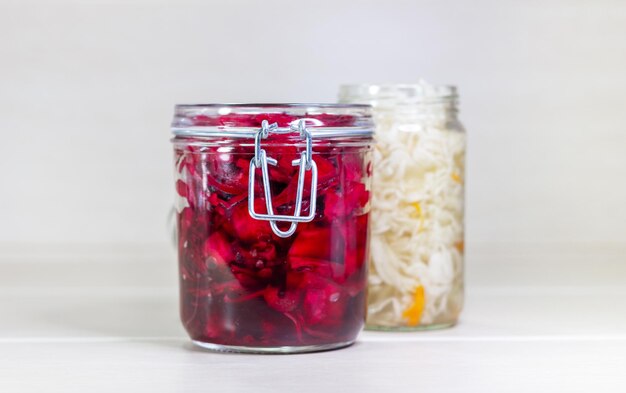
How Long Can You Keep Sauerkraut in the Refrigerator?
If you've recently embarked on the journey of fermenting your own foods or simply enjoy store-bought varieties, the question of how long sauerkraut keeps in the refrigerator is likely on your mind. Sauerkraut, with its tangy flavor and probiotic benefits, is a staple in many kitchens, but ensuring it stays fresh is key to maximizing its shelf life and health benefits. Let's dive into everything you need to know about storing sauerkraut properly.
Understanding Sauerkraut and Its Storage Needs
Sauerkraut, a type of fermented cabbage, is created through the process of lacto-fermentation. During this process, beneficial bacteria convert sugars into lactic acid, acting as a natural preservative. This is why sauerkraut can have a long shelf life, especially when kept in ideal conditions.
The Importance of Proper Storage
Proper storage is crucial for preserving the flavor, texture, and nutritional value of sauerkraut. Refrigeration slows down the fermentation process, ensuring that the kraut doesn't become overly sour or mushy over time.
Key Factors Affecting Sauerkraut Shelf Life:
- Temperature: Refrigerating sauerkraut at a consistent temperature helps maintain its quality.
- Container: Using airtight containers prevents exposure to air, which can lead to spoilage.
- Hygiene: Clean utensils and containers prevent contamination by unwanted bacteria.
How Long Does Sauerkraut Last in the Fridge?
When stored correctly, sauerkraut can last quite a while in the refrigerator. Here's a general guideline:
- Homemade Sauerkraut: Generally lasts up to 6 months. The exact shelf life can vary based on how it's made and stored.
- Store-Bought Sauerkraut: Often comes with a best-by date, but can remain good for several months beyond this date when unopened and refrigerated.
🌟 Tip: Always check for signs of spoilage, such as off-smells or unusual coloring, before consuming.
Signs Your Sauerkraut May Have Gone Bad
Visual and Sensory Indicators
Sauerkraut that has gone bad will usually display some common signs:
- Unpleasant Odor: A foul smell distinct from its natural tangy aroma.
- Mold Growth: Visible mold, especially black or bright colors, is a clear sign of spoilage.
- Discoloration: While some color change is natural, especially if exposed to air, dark or excessively faded kraut should be discarded.
Texture Changes
While sauerkraut is naturally soft, a mushy texture can indicate it's past its prime. If it's overly watery or slimy, it may also be time to toss it out.
Tips for Making Your Sauerkraut Last Longer
Optimal Storage Practices
To maximize the shelf life of your sauerkraut, follow these simple steps:
- Use Airtight Containers: Mason jars or BPA-free plastic containers with tight lids work well.
- Keep It Submerged: If the kraut becomes exposed to air, it may spoil. Ensure it’s always covered with its own brine.
- Store at Constant Temperatures: Aim for a range of 35°F to 40°F (1.5°C to 4.5°C).
Regular Maintenance
- Check for Air Exposure: Once a week, ensure that the sauerkraut is fully submerged in brine.
- Use Clean Utensils: Always use a clean fork or tongs to avoid contaminating the entire container.
The Benefits of Properly Stored Sauerkraut
Beyond taste, storing sauerkraut properly helps preserve its probiotic content, which contributes to gut health and boosts the immune system. Fresh-tasting sauerkraut can be a delightful addition to a variety of dishes, from hot dogs and sandwiches to salads and bowls.
Probiotic Benefits:
- Improved Digestion: The probiotics can aid in maintaining a healthy digestive tract.
- Immune Support: Fermented foods like sauerkraut can help enhance immune function.
- Nutrient Absorption: Enhances the body's ability to absorb vitamins and minerals.
Incorporating Sauerkraut Into Your Diet
To fully enjoy the benefits of sauerkraut, consider integrating it into your meals in creative and delicious ways:
Culinary Ideas
- Topping for Grilled Meats: Its tangy flavor complements hot dogs and sausages perfectly.
- Salad Addition: Adds a zesty punch to salads, providing both flavor and texture.
- Stir into Soups: Enhances the depth of flavor in soups and stews.
Recipe Inspiration
Don't hesitate to experiment with sauerkraut in unexpected recipes. Its versatility makes it perfect for fusion dishes, from Asian stir-fries to Mexican enchiladas.
Summary Table of Key Sauerkraut Storage Tips
| Storage Tip | Action |
|---|---|
| Refrigerate Immediately | Place sauerkraut in the fridge as soon as possible to prolong shelf life. |
| Use Airtight Containers | Ensure jars or containers are sealed to prevent air exposure. |
| Check for Spoilage Regularly | Always inspect sauerkraut for off-smells or colors before use. |
| Keep Sauerkraut Submerged | Make sure the kraut is fully covered with brine to avoid spoilage. |
| Use Clean Utensils | Avoid contamination by using clean tools when handling sauerkraut. |
Conclusion: Making the Most of Your Sauerkraut
Understanding how to properly store sauerkraut not only extends its life but also ensures you reap the full benefits of this fermented food. By following simple storage tips and regularly checking for quality, you can enjoy the delicious tang of sauerkraut for months. Whether you make it yourself or buy it from the store, knowing how to care for your sauerkraut will enhance your culinary experiences and support your health journey.