How to Prolong the Freshness of Your Flowers Using a Refrigerator
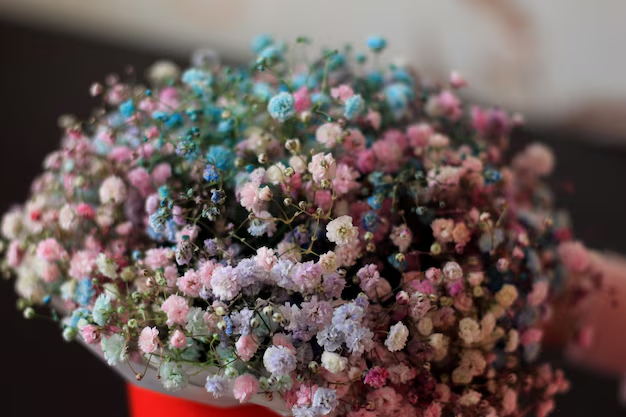
There's nothing quite like a bouquet of fresh flowers to lift the spirit. Whether it's a handpicked arrangement from the garden or a lavish bouquet from a florist, flowers have the power to brighten up any room. However, keeping them fresh and vibrant can often be challenging. One innovative yet simple solution is using your refrigerator. In this guide, we'll explore how to use refrigeration to extend the shelf life of your blooms, along with other essential flower care tips.
Why Refrigeration Works for Flowers
The Science Behind Refrigeration
Refrigerators are not just for food storage; they can also be a boon for preserving flowers. The key lies in creating an environment that slows down the metabolic processes of the plants. Lower temperatures reduce respiration rates in flowers, slowing down decay and prolonging freshness. This makes refrigeration a practical method for flower care.
Ideal Temperature and Humidity
To keep flowers fresh, the refrigerator should be set between 34°F and 37°F (1°C and 3°C). This cool temperature mimics the flower's natural environment, especially those sensitive to heat. However, ensure the flowers are not exposed to freezing temperatures, which can cause damage. Humidity should be moderately high, around 85%, to prevent dehydration.
Preparing Flowers for Refrigeration
Before placing your flowers in the refrigerator, some preparation is required.
Selecting Suitable Flowers
Not all flowers are suitable for refrigeration. Roses, tulips, lilies, carnations, and chrysanthemums are more resilient and respond well to cooler temperatures. On the other hand, tropical flowers like orchids and bird of paradise thrive in warmer climates and thus should not be refrigerated.
Trimming and Hydration
Cut the stems at a 45-degree angle under running water. This increases surface area for water absorption and prevents air bubbles from blocking the water uptake in the stems. Remove any leaves below the water line in the vase.
Nutrient Solution
Adding a floral preservative to the water can help maintain the flowers' nutrient needs. These solutions contain sugar, acidifiers, and a biocide that nourishes the flowers and keeps bacterial growth at bay.
Optimal Storage Practices
Choosing the Right Container
Store flowers in a clean, water-filled vase. Consider using clear containers to easily monitor water levels and quality. Glass or plastic containers are preferred over metal, which might react with preservatives.
Adequate Spacing
Ensure your flowers have enough room in the refrigerator to prevent overcrowding. Crowded conditions can lead to bruising and reduce airflow, amplifying ethylene gas production that accelerates aging.
Avoiding Ethylene Gas Build-Up
Many fruits emit ethylene gas, which can cause flowers to age prematurely. Keep flowers away from fruit baskets and avoid storing them near ripe produce in the refrigerator.
Consistent Maintenance
Checking and Refreshing Water
Change the water every 2-3 days, making sure to also clean the vase to prevent bacterial growth. Re-trim stems for efficient water absorption.
Monitoring Condition
Regularly inspect your flowers for signs of wilting or mold. Remove any damaged petals or flowers promptly to maintain overall freshness.
Alternative Flower Care Practices
While refrigeration is effective, there are additional methods to keep your flowers fresh for longer.
Distilled Water
Using distilled water instead of tap water can be beneficial, as it lacks the minerals and chemicals that might affect flower longevity.
Aspirin or Soda Water
Some flower enthusiasts add a crushed aspirin tablet or a dash of clear soda (such as lemon-lime) into the water. The acid in aspirin can help lower the water’s pH level, allowing better water uptake.
Homemade Flower Food
You can make a DIY flower food using one tablespoon of sugar, two tablespoons of apple cider vinegar, and half a teaspoon of bleach per quart of warm water. This mixture can help nourish your flowers and prevent bacterial growth.
Avoiding Direct Sunlight
While flowers need light, direct sunlight and heat can accelerate wilting. Keep flower arrangements in a cool, shaded area away from heat sources.
Common Missteps to Avoid
Avoid these common mistakes to ensure your flowers remain fresh and vibrant:
- Using hot water: Always use room temperature or slightly warm water to prevent shock.
- Neglecting the stems: Regular re-trimming is crucial for water absorption.
- Overexposure to drafts: Keep flowers away from air vents and direct drafts, which can rapidly dehydrate them.
Summary of Key Flower Care Tips 📝
- 🌡️ Ideal Temperature: Store flowers at 34°F to 37°F.
- ⚗️ Hydration and Nutrition: Use floral preservatives; change water every 2-3 days.
- 🍎 Avoid Ethylene: Keep flowers away from fruits to prevent aging.
- ✂️ Regular Maintenance: Trim stems often and inspect for damage.
- 🌿 Suitable Flowers: Opt for roses, tulips, carnations, etc., that respond well to refrigeration.
Using these practices, flowers can stay vibrant and fresh for extended periods, bringing beauty and joy to your environment.
Embracing the Art of Home Floristry
Maintaining fresh flowers is both a science and an art. It requires attention, patience, and a little know-how. By adopting these refrigeration and care techniques, you're not only preserving your flowers but enhancing your space's ambiance. Remember, the journey towards keeping your floral arrangements fresh is about creating a delightful balance between nature and nurture—a testament to the beauty of everyday life.