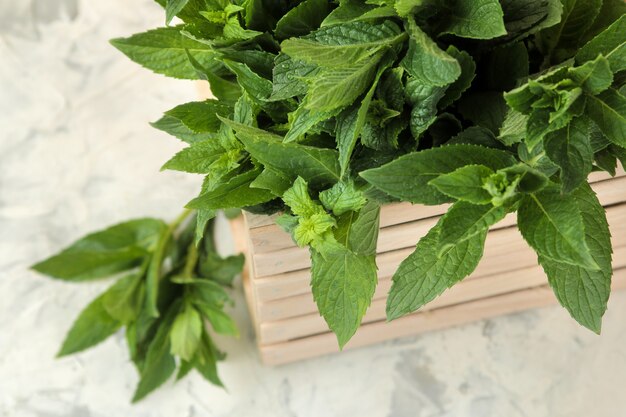
The Ultimate Guide to Keeping Mint Leaves Fresh in the Refrigerator
Mint leaves, with their refreshing aroma and vibrant taste, are a favorite in many kitchens around the world. Whether you use them to garnish dishes, brew tea, or spice up cocktails, maintaining their freshness is key to enjoying their full potential. Here’s an in-depth guide on how to keep your mint leaves fresh in the refrigerator, prolong their shelf life, and maximize their culinary benefits.
Why Proper Storage is Crucial for Mint Leaves
Mint leaves are delicate and can easily turn limp or dark if not stored correctly. The key to prolonging their freshness is understanding the conditions that can cause them to spoil, such as moisture, light, and air exposure. By mastering the art of storage, you'll always have fresh mint at your disposal.
Mastering Mint Storage: Essential Tips
Storing mint leaves doesn't have to be complicated. With a few simple techniques, you can extend their freshness significantly. Here's how you can do it:
Wash and Dry
Before storing mint leaves, wash them gently under cool running water to remove any dirt or pesticides. Then, pat the leaves dry with a paper towel or use a salad spinner. Moisture can lead to decay, so ensure they are thoroughly dry before storage.
Wrap in a Damp Paper Towel
Once washed and dried, arrange the mint leaves in a single layer on a damp paper towel. The slight dampness keeps the leaves hydrated without making them soggy. Roll them up gently in the paper towel, ensuring not to crush or damage the leaves.
Use an Airtight Container or Plastic Bag
Place the rolled-up paper towel in an airtight container or a resealable plastic bag. This prevents air from reaching the leaves, which can cause them to wilt. Make sure to expel as much air as possible before sealing the container or bag.
Store in the Refrigerator’s Vegetable Drawer
Position your container or bag in the refrigerator's veggie drawer. This area maintains a consistent temperature and humidity level, which is optimal for preserving the freshness of herbs like mint.
Exploring More Storage Methods
While the above method is time-tested and efficient, there are alternative ways to store mint leaves that might suit different needs better.
Freeze for Long-term Storage
- Chop and Freeze: Chop mint leaves and place them in ice cube trays. Fill each compartment with water and freeze. Once frozen, transfer to a resealable bag. This method is great for mint that will be used in cooking.
- Freeze Whole Leaves: Lay mint leaves in a single layer on a baking sheet. Once frozen, transfer the whole leaves to a freezer-safe bag. This is perfect for when you might want to use whole leaves later.
Use Herb Keepers
Herb keepers are specially designed containers that provide the right environment for fresh herbs. They usually have water reservoirs and provide elevated space to keep herbs fresh longer.
Try the Glass Jar Technique
Another effective method is to place mint stems in a glass jar with a little water, much like a bouquet of flowers. Cover the top with a plastic bag to create a mini-greenhouse effect. This can be stored on your counter or in the fridge.
Understanding Shelf Life
Mint leaves generally last about one to two weeks in the refrigerator when stored properly. By using the above storage methods, freshness can sometimes be extended up to three weeks. Signs of spoilage include darkened, slimy leaves and a musty smell.
Prolonging Freshness: More Than Just Storage
Maintaining mint freshness involves more than just storage. Here are additional ways to ensure your mint stays fresh for longer:
Buy High-Quality Produce
Start with fresh, vibrant mint leaves. When shopping for mint, look for bright green leaves without spots or signs of wilting.
Handle Gently
Avoid crushing or bruising mint leaves, as this can lead to rapid deterioration. Handle them delicately, especially when washing or drying.
Monitor and Maintain
Regularly check on your stored mint, replacing the paper towel if it becomes too damp. Remove any leaves that show signs of decay to prevent spoiling the rest.
Practical Uses for Fresh Mint
Whether you've just harvested a garden's bounty or bought a supermarket bunch, here are delightful ways to use your fresh mint:
In the Kitchen
- Drinks: Fresh mint can elevate cocktails, teas, and lemonades. Muddle in a mojito, or steep in boiling water for soothing herbal tea.
- Salads and Sides: Add mint to fruit salads or use as a garnish for savory dishes like tabbouleh.
- Desserts: Partner with chocolate or fruit for refreshing desserts like mint-chocolate chip cookies or sorbets.
Around the House
- Aromatherapy: Fresh mint leaves can bring a reviving scent to your home. Add them to homemade potpourri or use them in DIY cleaning solutions.
- Decorative Use: Mint leaves can be used to add a fresh visual and aromatic touch to your dining table or kitchen counter.
Recap: Key Takeaways
Here’s a quick summary of the best steps to keep your mint leaves fresh:
🌿 Essential Mint Storage Tips
- Wash & Dry: Ensure leaves are clean and moisture-free.
- Wrap in Damp Paper Towel: Keeps them hydrated without drowning.
- Airtight Container/Bag: Prevent air exposure.
- Fridge Storage: Store in veggie drawer.
💡 Additional Tips
- Freezer Options: For long-term use, freeze chopped or whole.
- Quality Selection: Start with fresh, intact leaves.
- Gentle Handling: Prevent bruising and crushing.
Mint leaves can be a touch of freshness on our plates and in our lives. By following these strategies, your mint can stay as fresh as your culinary ideas are inventive, allowing you to enjoy its undeniable charm year-round.