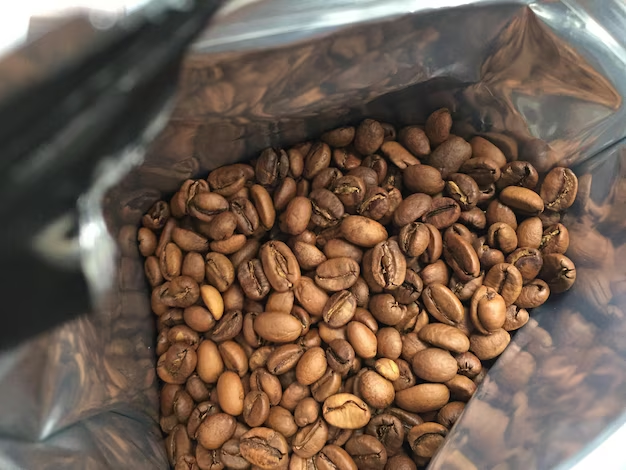
Should You Store Coffee Beans in the Refrigerator? Your Ultimate Guide to Perfect Coffee Bean Storage
For many, a fresh cup of coffee is a daily ritual. The aroma of freshly brewed coffee can transport you to a place of warmth and comfort. But to get that perfect cup, the freshness of your coffee beans is paramount. This leads to a ubiquitous question: Should you keep coffee beans in the refrigerator? Let's delve into this topic and uncover the secrets to keeping your coffee beans fresh.
☕ Why Coffee Bean Storage Matters
Coffee beans are not just tiny powerhouses of caffeine; they are delicate and highly susceptible to various environmental factors. The way you store them can dramatically impact the taste and quality of your brew. Here are several reasons why proper storage of coffee beans is crucial:
- Preservation of Flavor: Coffee beans contain oils that are responsible for their rich flavor. Exposure to air, moisture, light, and heat can degrade these oils, leading to a stale taste.
- Longevity of Freshness: Freshly roasted coffee beans have a limited window of optimal freshness. Proper storage can help extend this period.
- Quality of Brew: The freshness of the beans directly affects the taste and aroma of the coffee you brew.
🌡️ Should You Refrigerate Coffee Beans?
This is where the debate heats up—should coffee lovers store their beans in the refrigerator? Here's a look at the arguments for and against refrigeration.
✔️ Reasons to Consider Refrigeration
- Temperature Stability: Refrigerators offer a stable temperature environment, which might protect against the degrading effects of fluctuating room temperatures.
- Limited Humidity: Some believe that a refrigerated environment can be less humid, though this depends on the specific refrigerator settings and design.
❌ Reasons Against Refrigeration
- Moisture Risk: Refrigerators can gather condensation, which may seep into coffee beans if they aren't properly sealed, leading to the growth of mold or bacteria.
- Odor Absorption: Coffee beans can absorb surrounding odors. Refrigerators tend to contain a mix of scents from various stored foods, which may lead to an unpleasant flavor transfer.
- Frequent Temperature Changes: Each time you open the refrigerator, temperature fluctuations occur, which might affect the beans.
📝 Key Considerations in Coffee Bean Storage
When deciding on storage methods, consider these factors that impact coffee bean freshness:
1. Temperature
Coffee beans thrive in a cool, dark place. A consistent, moderate temperature helps maintain their quality.
2. Moisture Control
Moisture is the enemy of coffee beans. Avoid environments where your beans could become damp.
3. Airtight Sealing
Using airtight containers can protect beans from air exposure. Oxygen can affect oils in the beans, altering both taste and aroma.
4. Light Exposure
Like UV rays damage skin, light exposure can degrade coffee beans over time. Keeping them in a non-transparent container can shield them effectively.
🚪 Alternative Storage Options
While the fridge might not be optimal, these are some suggested methods for storing coffee beans:
Pantry Storage
- Ideal Location: Store beans in a cool, dark pantry away from direct sunlight.
- Container Tips: Use an opaque, airtight container to protect beans from air and light.
Freezing Beans
- Use with Caution: Freezing can be an option if done properly. Divide beans into small, airtight portions so you only thaw what you need.
- Thaw Correctly: Allow frozen beans to come to room temperature before opening the bag to prevent condensation.
📋 Quick Reference: Coffee Bean Storage Tips
Here's a concise list of practical storage strategies:
- 🌡️ Stable Temperature: Maintain a consistent, cool environment.
- 💧 Moisture-Free: Protect against moisture access.
- 💨 Airtight Containers: Use them to prevent oxidation.
- ☀️ Light Protection: Keep beans out of direct sunlight.
- 🧊 Freezing: Only if necessary, and with proper precautions.
🎯 How Storage Impacts Coffee Taste
Improper storage can lead to an unpleasant coffee experience. You might notice:
- Dull Flavor: Beans left in unfavorable conditions can lose their bright, robust taste.
- Staleness: Your coffee may taste old or "off."
- Aroma Loss: Bean storage deeply influences the aromatic experience of your brew. Properly stored beans retain their rich scent, enhancing the coffee-drinking experience.
🔄 Beyond Storage: Other Freshness Factors
While storage is vital, these additional elements play a role in your coffee enjoyment:
1. Purchase Roasted Beans
Whenever possible, buy roasted beans rather than pre-ground coffee. Ground coffee loses freshness faster due to its increased surface area.
2. Grind Just Before Brewing
Grind your coffee right before you brew to preserve those precious flavors and aromas locked inside the beans.
3. Consider the Coffee Type
Certain coffee beans have characteristics that can affect their optimal storage conditions. Experiment with different types to see which storage method suits each best.
🧩 Conclusion: Crafting Your Coffee Storage Strategy
In the quest for the perfect cup of coffee, storage plays a critical role. While the refrigerator might seem a convenient option, its potential drawbacks—moisture, odor absorption, and frequent temperature shifts—make it less ideal for most coffee enthusiasts. By opting for pantry storage or cautious freezing, and by considering the environmental factors, you can enjoy a fresher, more flavorful cup of coffee every time. Remember, the key lies in maintaining a stable, sealed, and protected environment for your beloved beans.
Whether you are a coffee aficionado or a casual drinker, following these practices will ensure your coffee beans stay fresh and your cup remains full of rich, satisfying flavors. Happy brewing!