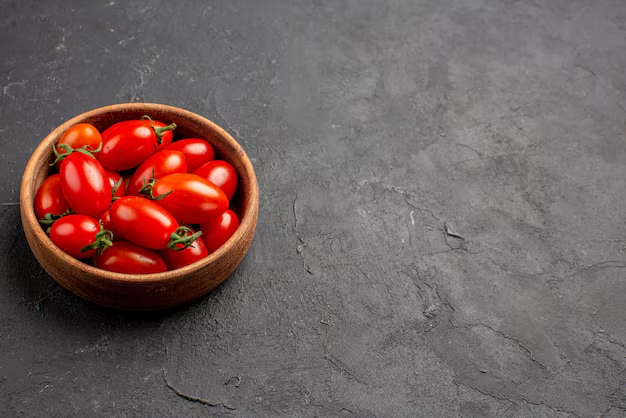
Should You Store Tomatoes in the Refrigerator? A Complete Guide to Tomato Storage
Whether you're a seasoned chef or a casual cook, the debate over how to properly store tomatoes is one that likely crosses your kitchen at least once. Should you keep them on the countertop, like the other fruits, or do they belong in the refrigerator to maintain their freshness? This comprehensive guide explores the ins and outs of tomato storage, providing practical insights and tips to help you keep your tomatoes at their peak of flavor and texture.
🍅 Why Tomato Storage Matters
Tomatoes are a staple in many households, known for their juicy texture, vibrant color, and versatile nature. However, their storage can significantly influence their taste and longevity. Understanding the best practices for storing tomatoes ensures they maintain their quality from the first slice to the last.
The Science Behind Tomato Ripening
Tomatoes continue to ripen after being harvested, thanks to a hormone called ethylene. This process alters their texture, flavor, and color. Storing tomatoes incorrectly can disrupt this natural ripening, leading to bland taste or undesirable textures.
🌡️ To Refrigerate or Not? The Pros and Cons
Let's delve into the central question — should tomatoes be stored in the refrigerator? The answer isn't straightforward and often depends on the tomato's ripeness.
Pros of Refrigerating Tomatoes
- Slows Down Ripening: Refrigeration can slow down the ripening process, preventing over-ripening and rot.
- Extended Shelf Life: Cold storage can extend the usable life of tomatoes, especially if they're ripe and you aren’t planning to use them immediately.
- Preserves Some Varieties: Certain tomato varieties, particularly firm ones, may respond better to cold storage.
Cons of Refrigerating Tomatoes
- Loss of Flavor: Refrigeration can mute the vibrant flavor of tomatoes, rendering them less tasty.
- Textural Changes: Cold temperatures may cause tomatoes to become mealy and lose their appealing texture.
- Risk of Chilling Injury: Prolonged exposure to cold can lead to chilling injuries, manifesting as pitting and increased susceptibility to decay.
🏡 Ideal Storage Conditions for Tomatoes
The optimal way to store tomatoes often depends on their ripeness and your intended usage. Here are some nuanced guidelines to help you decide based on different scenarios.
Unripe Tomatoes
- Best Location: Countertop
- Why? Allowing tomatoes to ripen naturally at room temperature enhances their flavor and texture. Positioning them stem-side up is advisable to prevent bruising.
Ripe Tomatoes
- Short-Term Use: Keep them on the counter if you expect to use them within a few days.
- Long-Term Storage: If you notice signs of over-ripening and need a longer shelf life, consider refrigerating them but consume shortly after removing from cold storage to regain some flavor.
Cut Tomatoes
- Storage Method: Refrigerate
- Why? Once a tomato is cut, refrigeration helps slow bacterial growth, keeping the pieces safe for consumption. Place them in an airtight container to minimize drying and flavor loss.
⚖️ Balancing Flavor and Freshness
If you opt to refrigerate your tomatoes, allow them to return to room temperature before consuming. This practice can help revive some of the lost flavors and textures. Here’s a quick guide to balancing flavor and storage needs:
- Unripe: Store on the counter.
- Ripe (soon to use): Keep on the counter.
- Ripe (for later use): Store in the fridge, then bring to room temp before use.
- Cut or sliced: Store in the fridge within an airtight container.
🧑🍳 Enhancing Tomato Shelf Life Naturally
Aside from selecting the right storage environment, several other tips can help prolong the shelf life of your tomatoes without compromising their quality.
Check for Bruises
Always inspect your tomatoes for any signs of bruising or damage, which may speed up spoilage. Bruised tomatoes can also impact those around them, hence isolating any damaged ones is a wise precaution.
Avoid Stacking
Stacking tomatoes can cause pressure spots leading to bruising or accelerated ripening. Instead, lay them out in a single layer on a flat surface.
Use Proper Containers
For small cherry or grape tomatoes, consider using breathable mesh bags or shallow open containers to provide good airflow while minimizing pressure points.
🍽️ Creative Ways to Use Overripe Tomatoes
Occasionally, despite best efforts, tomatoes can over-ripen. Instead of discarding them, consider these creative uses:
- Make a Sauce: Overripe tomatoes are excellent for sauces. Their soft texture and rich flavor can lend depth and sweetness to pasta or pizza sauces.
- Prepare Fresh Salsa: Combine overripe tomatoes with onions, peppers, and lime juice for a fresh salsa.
- Roast Them: Roasting enhances their potent flavors. Use them in soups or as a topping for bruschetta.
🔍 Fast Facts and Tips for Tomato Lovers
Quick Summary of Tomato Storage:
- 🍅 Unripe: Store on the counter for natural ripening.
- 📅 Ripe (short-term use): Keep on the counter, and consume within a few days.
- ❄️ Ripe (long-term use): Refrigerate, then bring to room temperature before use.
- ⛔ Avoid: Stacking and using airtight containers for ripe whole tomatoes.
- 🥫 Creative Usage: Embrace overripe tomatoes by making sauces, salsas, or roasting them.
Bringing It All Together
Storing tomatoes the right way can significantly enhance their taste and extend their shelf life, making them a more rewarding ingredient in your culinary journey. By understanding when to refrigerate and when to let nature take its course, you can enjoy the full spectrum of flavors that tomatoes have to offer. So next time you're pondering the best place for your tomatoes, remember these tips to ensure they remain delicious and fresh for any dish you aspire to create.