Best Practices for Storing Raw Meat in Your Refrigerator
When it comes to maintaining food safety, few things are more critical than correctly storing raw meat in your refrigerator. You might think just placing it anywhere in the fridge will do, but there's a science to keeping your food fresh and your household safe from foodborne illnesses. This guide explores everything you need to know to ensure your raw meat is stored properly, offering practical tips and addressing common concerns.
Why Proper Raw Meat Storage Matters
Storing raw meat correctly isn't just about keeping your refrigerator organized; it's about preventing cross-contamination and maintaining food safety. Improper storage can lead to bacteria like Salmonella and E. coli spreading to other foods, potentially causing serious illness. Ensuring raw meat is stored correctly helps prolong its freshness, reduces waste, and enhances meal quality.
The Ideal Location for Raw Meat in Your Fridge
The Bottom Shelf Rule
The golden rule for storing raw meat is to keep it on the bottom shelf of your refrigerator. This minimizes the risk of meat juices dripping onto other foods and contaminating them. The bottom shelf is typically the coldest part, which also helps keep the meat fresh longer.
Use a Tray or a Container
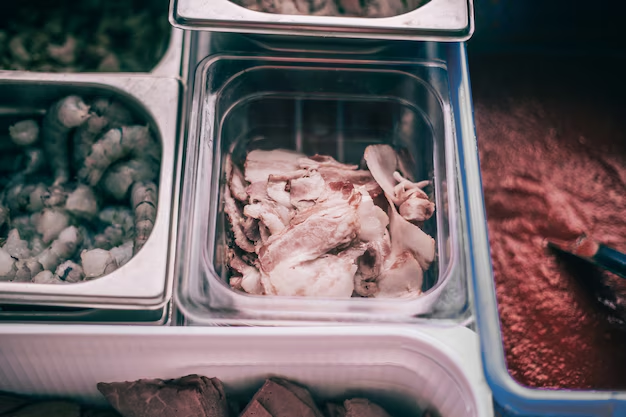
Placing raw meat on a tray or in a container is a simple but effective way to contain any leaks. This added layer acts as an important barrier, keeping potentially harmful juices from reaching other refrigerated items.
Temperature Considerations
Maintain the Right Temperature
For raw meat storage, you should aim to keep your fridge at or below 40°F (4°C). This temperature is crucial for slowing down bacterial growth. Use an appliance thermometer to monitor your refrigerator's internal temperature regularly.
Avoid Fluctuations
Frequent opening and closing of the fridge can lead to temperature fluctuations. Try to minimize how often you open the fridge door, especially during warmer months, to maintain a consistent temperature.
Organizing Your Fridge Efficiently
When considering food safety and freshness, how you organize your refrigerator matters.
The Meat Drawer
If your refrigerator comes equipped with a meat drawer, use it. These drawers are specially designed to keep temperatures optimal for meat storage. They are also conveniently located on the bottom, aligning with the bottom shelf rule.
Maximize Space Without Overcrowding
While maximizing space is important, don't overcrowd your refrigerator. Proper air circulation is necessary to keep a consistent temperature throughout the fridge.
Understanding Meat Shelf Life
Different types of meat have varying shelf lives. Knowing these can help you plan meals and shop more efficiently.
Typical Shelf Life for Different Meats
- Poultry: 1-2 days
- Ground meats: 1-2 days
- Steaks and chops: 3-5 days
- Roasts: 3-5 days
Aim to consume or freeze meat within these time frames to ensure freshness and safety.
Tips for Extending Meat Shelf Life
Vacuum Sealing
Vacuum sealing is an excellent way to extend the shelf life of raw meat. By removing air, you slow down the oxidation process, which can deteriorate food quality over time.
Freezing Raw Meat
If you don't plan to use the meat within its suggested shelf life, consider freezing it. Meat can be safely frozen for several months without losing quality. Just remember to thaw it safely—preferably in the refrigerator or under cold water.
The Role of Proper Packaging
Original Packaging vs. Repackaging
While the original packaging is often adequate for short-term storage, repackaging can be beneficial for longer periods. Use airtight containers or zip-top bags to limit exposure to air.
Labeling and Dating
Always label and date your packaged meat. This simple step eliminates guesswork and reduces the likelihood of forgetting use dates or experiencing freezer burn.
Bonus: Common Storage Mistakes to Avoid
Here’s a quick look at common mistakes people make with raw meat storage and how to avoid them:
- ❌ Never washing raw meat: Washing can spread bacteria to other surfaces in your kitchen. Instead, cook meat to the proper temperature to kill bacteria.
- ❌ Using the wrong thawing method: Avoid thawing meat on the countertop. Instead, plan and use the refrigerator or cold water methods.
- ❌ Not cleaning your fridge regularly: Regular cleaning reduces the risk of old spills contaminating fresh groceries.
Quick Tips and Takeaways 📝
Here’s a quick reference guide to efficient meat storage:
- 📌 Store raw meat on the bottom shelf using a tray.
- 🌡️ Maintain fridge temperature at or below 40°F (4°C).
- 🗓️ Consume or freeze meat within its recommended shelf life.
- ❄️ Use vacuum sealing to prolong freshness if necessary.
- ✅ Label and date meat to manage inventory efficiently.
By following these guidelines, you'll not only prevent foodborne illnesses but also enjoy fresher, better-tasting meals. Remember, smart fridge organization and attention to detail in storage make all the difference in your kitchen's safety and efficiency.
Whether you’re a culinary enthusiast or just someone looking to improve their food storage practices, understanding the nuances of storing raw meat is essential. It empowers you to make informed decisions, reduce waste, and maximize the quality of your meals. Keep these tips in mind, and your refrigerator will become a safer, more efficient space for all your culinary adventures.