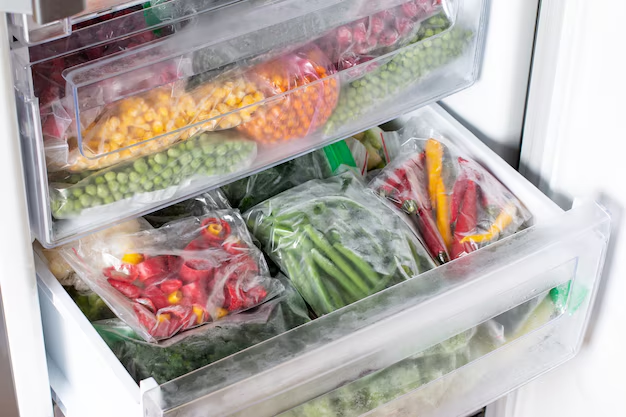
Is Your Homeowners Insurance Going to Foot the Bill for Food Loss from a Malfunctioning Refrigerator?
Imagine waking up one morning to find your refrigerator not just broken, but the contents inside ruined. The loss of spoiled groceries can be quite frustrating and financially burdensome. However, you might wonder if there's a silver lining, like homeowners insurance possibly covering this unexpected expense. If you're grappling with this predicament, you're not alone. Food spoilage is a common concern that many homeowners face, especially when appliances decide to malfunction at the most inopportune times.
Understanding Homeowners Insurance Coverage
First things first: what does homeowners insurance typically cover? At its core, this insurance is designed to protect you from financial loss due to damage or loss of your property. It commonly covers:
- Dwelling Coverage: Protects the structure of your home.
- Personal Property Coverage: Safeguards your personal belongings.
- Liability Coverage: Covers legal responsibility for injuries or damages.
- Additional Living Expenses (ALE): Covers costs if you temporarily have to live elsewhere.
Now, you might ask, does personal property coverage extend to the food in your refrigerator?
The Nuances of Personal Property Coverage
Homeowners insurance generally includes personal property coverage, which protects items within your home. However, the inclusion of spoiled food due to a refrigerator breakdown isn't always straightforward. Let's dive deeper.
Covered Perils: Homeowners insurance policies often specify which “perils” or risks are covered. If a covered peril causes your refrigerator to malfunction (like a power outage due to a storm), then food spoilage could be covered.
Exclusions and Conditions: Policies may also outline exclusions and stipulations. If the fridge problem isn't caused by a covered peril, such as a mechanical failure, then food loss might not be covered.
Common Scenarios
Scenario 1: Power Outage
Coverage Likelihood: High
Imagine a powerful storm hits, knocking out electricity for days. In such cases, if your policy covers power failure externally caused, your insurance might reimburse your spoiled food.
Scenario 2: Mechanical Failure
Coverage Likelihood: Low
If the refrigerator fails purely due to a mechanical issue or natural wear and tear, it's often not covered. Extended warranties or service plans are usually more applicable for these situations.
Key Takeaway: Understand Your Policy
To determine if your insurance policy covers food loss:
- Read Your Policy: Familiarize yourself with the specifics. Look for terms related to perils, exclusions, and coverage limits.
- Consult Your Agent: Personalized insights from your insurance provider can clear up any ambiguities.
What's Not Covered?
Insurance doesn’t usually cover everything. Here are notable exclusions:
- Wear and Tear: Regular aging and degradation of appliances fall outside typical coverage.
- Negligence: Failing to maintain appliances properly could nullify claims.
- Flood Damage: Standard policies don’t include flood-induced power outages, unless you have separate flood insurance.
Special Considerations: Deductibles and Limits
When you file a claim, deductibles are a crucial consideration. If the cost of your spoiled food doesn't exceed your deductible, it won’t make sense to file a claim. Also, be aware of any sub-limits on food spoilage under your personal property coverage.
Practical Tips for Homeowners
To effectively manage risks associated with food spoilage from refrigerator breakdowns, consider these strategies:
- Evaluate Groceries: Avoid over-purchasing perishables if a storm or severe weather is forecasted.
- Invest in Surge Protectors: Protect appliances from sudden power surges.
- Regular Maintenance: Regularly check and maintain your appliances to prevent unexpected failures.
Summary of Key Points
Here’s a quick breakdown of essential insights to consider about homeowners insurance and food spoilage:
| Scenario | Coverage Likelihood | Recommended Action |
|---|---|---|
| Power Outage | High | Check policy for covered power failure perils. |
| Mechanical Failure | Low | Consider service plans or warranties. |
| Understanding Perils | - | Read and understand specific insurance coverage terms. |
| Deductibles and Limits | - | Analyze if potential claim outweighs deductible. |
| Regular Maintenance | - | Maintain appliances and utilize preventative tools like surge protectors. |
Alternatives to Consider
If insurance isn't the solution, what other steps might you take?
Extended Warranties and Service Plans
While not under the gamut of homeowners insurance, extended warranties or service plans specifically cover certain appliance breakdowns. These are additional protections that you may choose to purchase, often providing peace of mind against mechanical or electrical failures.
Home Warranty Plans
Separate from homeowners insurance, home warranties can include coverage for appliances. These plans often fill the gap left by traditional insurance policies, offering specific protection for your refrigerator and other essential home appliances.
A Thought-Provoking Insight
While insurance can be a valuable tool in managing unexpected food spoilage costs, understanding the complimentary or supplementary protections available—like warranties—can significantly lessen the worry and financial strain related to appliance failures. By marrying the two, you create a robust safety net that ensures peace of mind and protects against potential food loss.
Armed with the right information and strategy, you can take proactive measures, safeguarding your home and its contents with confidence and clarity.