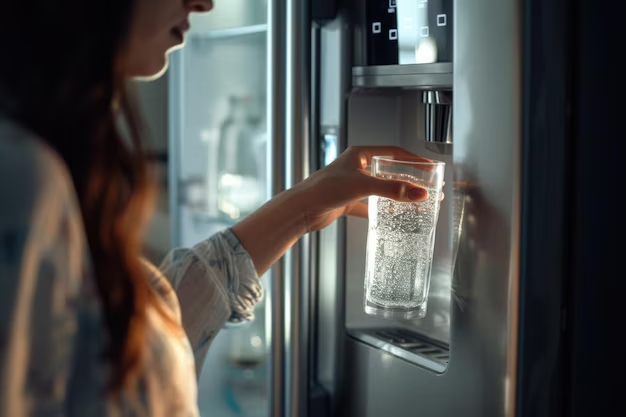
Is Your Refrigerator Water as Pure as You Think? A Deep Dive into Water Filtration
In modern kitchens, the refrigerator is a staple not just for keeping perishable foods fresh but also because many models now come equipped with water dispensers and ice makers. A common question among consumers is: Is the water dispensed from my refrigerator truly purified? Let’s explore this topic in detail and uncover the nuances of refrigerator water and its purification process.
Understanding Refrigerator Water Filters
How Do Refrigerator Filters Work?
Refrigerator water filters are designed to remove impurities and improve the taste and odor of tap water. These filters typically use activated carbon, a material that adsorbs contaminants. When water passes through this material, undesirable particles and compounds adhere to the carbon surface, effectively removing them from the water.
What Are They Designed to Filter Out?
Refrigerator filters generally target:
- Chlorine: To enhance taste and smell
- Sediments: To eliminate rust and dirt particles
- Volatile Organic Compounds (VOCs): To remove chemical contaminants
While effective against these impurities, it’s important to note that not all filters are capable of removing microorganisms or heavy metals such as lead completely.
Benefits of Using Refrigerator Filters
- Improved taste and odor: Filters remove chlorine and some VOCs that can affect the water’s taste and smell.
- Convenience: Always have cold, filtered water on hand without needing a separate filtration pitcher.
- Environmental impact: Reduces the need for bottled water, which cuts down on plastic waste.
Limitations and Considerations
Are Refrigerator Filters Enough?
Though these filters provide some level of purification, they are not a comprehensive solution for all potential water impurities:
- Microbial threats like bacteria and viruses are typically not filtered out.
- Heavy metals, including lead and mercury, may not always be effectively removed depending on the filter specification.
When Should You Replace Your Filter?
Typically, refrigerator water filters should be replaced every six months. Regular replacement ensures optimal performance and water quality. However, the actual lifespan can vary based on water usage and the specific model of your refrigerator.
Knowing Your Water Source
Understanding your local water quality through municipal reports or home testing can inform how effective a refrigerator filter will be for your needs. For areas with problematic water supplies, a refrigerator filter alone might not be adequate.
How to Choose the Right Refrigerator Water Filter
When selecting a filter, consider these factors:
- Check Compatibility: Ensure the filter matches your refrigerator model.
- Understand Certification: Filters certified by independent bodies like NSF International offer validated claims of contaminant removal.
- Filter Specifications: Know what contaminants are the most concerning in your area and choose a filter that addresses those.
Certification Standards to Look For
- NSF 42: Addresses aesthetic effects (taste and smell).
- NSF 53: Focuses on health-related contaminants.
- NSF 401: Newer substances such as pharmaceuticals and chemicals.
Installation and Maintenance Tips
- Replace timely: Keep a schedule to replace the filter every six months or per manufacturer’s recommendation to maintain water quality.
- Flush the filter: After installing a new filter, run a few gallons of water through to remove carbon dust and activate the material.
Exploring Alternative Water Purification Methods
Beyond Refrigerator Filters
If your water requires a higher level of filtration, consider integrating additional water purification systems:
- Reverse Osmosis Systems: Highly effective in removing a wide range of contaminants but require more space and maintenance.
- Water Distillers: Boil water and collect the steam, leaving impurities behind. Effective but slower option.
- Whole House Filters: Filter water at the point of entry into your home, addressing issues beyond drinking water.
Bottled Water vs. Filtered Water
Bottled water offers convenience and a trusted purification process but contributes to environmental concerns and can be costly. In contrast, using filtered water from your refrigerator or other home filters is more sustainable and cost-effective over time.
Practical Tips for Ensuring Safe Drinking Water
Ensuring safe, clean water depends on both the source and the method of purification you utilize. Here’s a quick glance at key tips:
- 🛠️ Regular Maintenance: Replace filters regularly and keep the dispensing area clean.
- 🧪 Water Testing: Test your water to identify contaminants of concern.
- 🔍 Research: Evaluate different filter options to find the best match for your needs.
- 💧 Stay Informed: Understand your local water report and any advisories it includes.
Conclusion: Making Informed Choices About Your Drinking Water
When it comes to purified water straight from your refrigerator, understanding the capabilities and limitations of its filter is crucial. While a refrigerator water filter can significantly improve water taste and remove some contaminants, it is not a foolproof measure against all potential water threats. By staying informed and considering both your specific water supply and health needs, you can choose the most effective filtration strategy for you and your family.