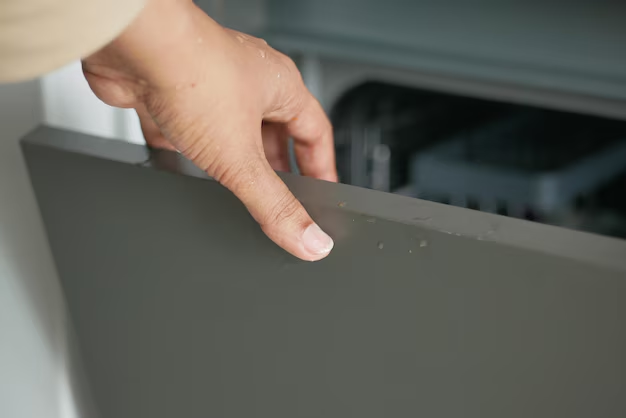
Preserving Freshness: A Guide to Effectively Cleaning Your Refrigerator Gaskets
In the cozy corners of our kitchens, where aromas entice and meals come to life, one appliance silently plays a crucial role—the refrigerator. It’s a sentinel of freshness and longevity, guarding our food and beverages against the advancing age of time. You may have meticulously organized every shelf and drawer, but there is one often overlooked part that demands attention for optimal performance: the refrigerator gasket. This humble rubber seal acts as the barrier between the cool confines of your fridge and the warm kitchen air. So, keeping these gaskets clean is not just about sanitation; it’s about maintaining efficiency and saving energy.
Understanding Refrigerator Gaskets
What Are Refrigerator Gaskets?
Refrigerator gaskets are the rubber sealing strips that run along the edges of your refrigerator and freezer doors. Their primary role is to ensure that when the door is closed, no air is exchanged between the inside of the refrigerator and the outside environment. A well-functioning gasket keeps your refrigerator running efficiently, reducing the workload on the appliance and thereby extending its lifespan. Maintaining a tight seal helps retain the cool air inside, optimizing energy consumption—a win-win for both the environment and your electricity bill!
Why Gaskets Need Cleaning
Every time you open that fridge door, invisible dust particles, food spills, and even mold can accumulate within the folds of the gaskets. Over time, this buildup can lead to less effective sealing, causing your appliance to work harder to maintain its set temperature. Consequently, this not only shortens the life of your refrigerator but can also lead to skyrocketing energy bills. Regular cleaning prevents damage and ensures your food stays fresh for longer periods.
Supplies for Cleaning Refrigerator Gaskets
Before diving into the cleaning process, it's essential to gather the right supplies. Here's what you'll need:
- Mild Dish Soap: A gentle dish soap works wonders in removing built-up grime without damaging the rubber.
- Warm Water: Essential for creating a soapy solution and rinsing.
- Soft Cloth or Sponge: To safely scrub the gaskets without causing tears.
- An Old Toothbrush: For getting into the hard-to-reach folds.
- Baking Soda: A natural deodorizer and gentle abrasive.
- White Vinegar: Known for its disinfectant properties.
- Microfiber Cloth: To dry the gaskets thoroughly after cleaning.
Step-by-Step Guide to Cleaning Refrigerator Gaskets
Step 1: Prepare Your Cleaning Solution
Begin by mixing a few drops of mild dish soap with warm water. This solution is effective in breaking down residues without risking damage to the gaskets.
Step 2: Inspect and Pre-Clean
Before starting, inspect the gaskets for any large debris. Use a dry cloth or your fingers to gently remove these particles. This pre-clean reduces the amount of work the soapy solution has to do.
Step 3: Apply the Cleaning Solution
Dip your cloth or sponge into the soapy mixture and gently scrub the gaskets. Pay special attention to the folds where grime tends to accumulate. Use the toothbrush to address stubborn spots or tight corners. Avoid using abrasive scrubbers as they might tear or degrade the rubber material.
Step 4: Rinse Away Residue
Once satisfied with the scrubbing, it's time to rinse. Use a fresh cloth dipped in warm water to wipe away soap residues. It's essential to remove all soap as it can leave streaks or attract more dirt over time.
Step 5: Disinfect with Vinegar
For added cleanliness, spray a little white vinegar onto the gaskets and let it sit for a few minutes. Vinegar acts as a natural disinfectant and helps to break down any remaining residues.
Step 6: Deodorize with Baking Soda
To combat odors and add an extra layer of cleanliness, sprinkle a tiny bit of baking soda onto a damp cloth and wipe the gaskets. Baking soda will leave a fresh, clean scent without the use of perfumes or chemicals.
Step 7: Dry Thoroughly
Use a microfiber cloth to thoroughly dry the gaskets. Leaving moisture behind can lead to mold and mildew growth, defeating the cleaning process.
Quick Routine Maintenance Tips
Maintaining refrigerator gaskets is an ongoing process. Regular upkeep ensures longevity and efficiency.
- Weekly Wipe-Downs: Make it a habit to wipe down the gaskets during your routine kitchen cleaning.
- Monthly Inspections: Check for signs of wear or mold and address any issues immediately.
- Seal Check: Ensure that your refrigerator and freezer doors close completely without any obstructions.
- Temperature Monitor: Ensure your refrigerator operates at optimal temperatures (around 37-40°F or 3-4°C for the fridge, and 0°F or -18°C for the freezer) to prevent excessive moisture.
Troubleshooting Common Gasket Issues
Stubborn Mold
Mold can sometimes be tough to eliminate. Persistent mold might require both the vinegar and baking soda approach but with a longer sitting time before rinsing.
Sticky or Weak Seals
If your gaskets feel sticky or aren't sealing properly, it could be due to food residues or age. After cleaning, lightly rub a thin coat of petroleum jelly along the gaskets’ edge to enhance the seal.
Cracked or Torn Gaskets
Over time, gaskets can begin to crack or tear. Unfortunately, this signals that it might be time for a replacement. Promptly address these issues to maintain efficient sealing.
Enhancing Energy Efficiency with Clean Gaskets
Keeping your refrigerator gaskets clean is not merely a hygiene task; it greatly impacts the appliance's energy efficiency. Just like leaving a window open while running the air conditioner, poorly sealed gaskets make your fridge work overtime, pummeling through more electricity than necessary.
Energy-Saving Tips
- Proper Storage: Ensure your fridge isn't overpacked. Proper airflow must be maintained to keep the cooling system working efficiently.
- Correct Temperature Settings: Adjust your appliance to its recommended temperature settings.
- Organizational Strategy: Arrange food items for easy access, minimizing the fridge opening time.
Summary of Best Practices for Refrigerator Gasket Maintenance
🧼 Weekly Cleaning Routine
- Dust off gaskets and give them a quick wipe-down with mild soap.
🔍 Monthly Checkup
- Look for signs of damage or mold and repair/clean as needed.
💡 Efficiency Boost
- Combine vinegar and baking soda for a deep clean and deodorizing effect.
🔧 Troubleshoot Common Issues
- Address weak seals with petroleum jelly, and replace damaged gaskets promptly.
🌟 Harness Energy Savings
- Organize the fridge properly and keep temperature settings in check to reduce energy consumption.
By integrating these practices into your cleaning routine, you ensure not only the hygiene of your kitchen but also the longevity of your trusty refrigerator. Keep those gaskets gleaming and reap the rewards of freshness and efficiency, both in your meals and on your utility bills.