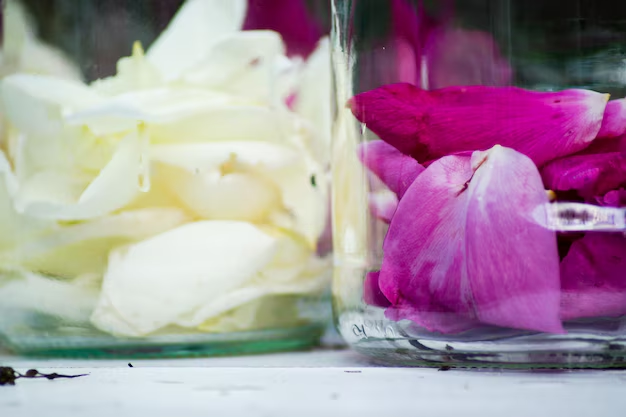
How to Keep Flowers Fresher: The Refrigerator Method Explained
You’ve just returned from the market with a bouquet of vibrant flowers, eager to see them adorn your living space. But after a few days, disappointment sets in as they begin to wilt. What if there was a simple trick to extend their life? Many people have turned to an unusual yet effective method — storing flowers in the refrigerator. Let's uncover the secrets behind this practice and explore if it's the right fit for your blooms.
🌸 The Science Behind Flower Refrigeration
Refrigeration is not just for perishable food items; it can work wonders for flowers too. But why does this method prove so effective? Here’s a breakdown:
Temperature Control
- Cool Environments: Flowers respond well to cooler temperatures, which slow down their metabolic processes. This means they consume water and nutrients at a slower rate, extending their life.
- Reduced Respiration: Lower temperatures help reduce the rate of transpiration, minimizing water loss from the petals and leaves. This is crucial for maintaining their freshness.
Ethylene Management
- Ethylene Sensitivity: Flowers produce ethylene gas, a hormone responsible for ripening and aging. Cooler temperatures slow down ethylene production, postponing wilting and browning.
Humidity Levels
- Optimal Humidity: Refrigerators maintain a high humidity level, preventing the flowers from drying out. This is vital as flowers need moisture but in steady and controlled amounts.
🌿 Steps to Store Flowers in the Fridge
Not sure where to start? Here's a step-by-step guide to help you out:
1. Prepare Flowers for Storage
- Trim the Stems: Cut the flower stems at an angle and submerge them in water promptly. This allows for better water absorption.
- Remove Leaves: Strip away any leaves that would be submerged in water to prevent bacterial growth.
2. Set Up the Bouquet
- Choose a Container: Select a clean vase or container with adequate space for the flowers to breathe.
- Water Level: Fill the container with cold water, ensuring just enough coverage for the stems.
3. Refrigeration Process
- Temperature Setting: Aim for a temperature between 33°F to 35°F (around 0.5°C to 1.5°C). This creates the most favorable conditions for most flowers.
- Placement: Keep the flowers away from direct drafts, fruits, and vegetables inside the fridge. This avoids ethylene exposure from produce.
4. Daily Maintenance
- Check Water: Replace the water daily to prevent bacterial buildup.
- Inspect Conditions: Look for any signs of wilting or mold, and adjust your refrigeration settings if necessary.
🥒 Things to Consider in Your Refrigerator
Before committing to this method, consider the following:
Compatibility with Your Fridge
- Space Constraints: Evaluate if your refrigerator has enough space to accommodate your bouquet without obstruction.
- Separate Storage: Use crisper drawers if needed, ensuring they are designated solely for flowers during this time.
Flower Type and Longevity
Some types of flowers are more amenable to refrigeration than others. Here are a few examples:
- Roses and Carnations: Known for their sturdiness, they typically thrive in cooler conditions.
- Tropical Blooms: Flowers like orchids may not fare well in refrigeration due to their natural warm environment preferences.
Impact on Food Items
- Odor Absorption: Ensure that your flowers don’t absorb undesirable odors from other items in the fridge.
- Food Safety: Keep the flowers separated to avoid contamination, particularly if the foliage gets into contact with food surfaces.
🌼 Alternative Methods for Flower Preservation
Can’t fit flowers in your fridge or want to explore other options? Here are some viable alternatives:
Homemade Flower Preservatives
Crafting mixtures with sugar, lemon-lime soda, or even DIY plant food can extend your flowers' life. The right combination of sugar, acid, and bleach in small amounts helps nourish and protect the bouquet.
Temperature Control Without a Fridge
Keeping flowers in naturally cool areas of your home, away from direct sunlight or heating sources, can mimic refrigeration benefits without needing physical refrigeration.
Regular Maintenance
Crafting a routine of daily care can also extend freshness. Regular trimming, water changes, and removal of debris prevent the decay caused by stagnation and bacteria.
💐 Practical Tips for Long-Lasting Blooms
For those looking for a quick reference or summary, here's a handy guide:
- Trim Regularly: Cut stems at an angle to enhance water absorption.
- Change Water Daily: Fresh water reduces bacteria growth.
- Remove Wilted Parts: Regularly prune any decayed petals or leaves.
- Maintain Cool Conditions: Refrigeration, or even a naturally cool room, helps extend bloom life.
- Ethylene Caution: Keep flowers away from ethylene-producing fruits like bananas and apples.
🌟 Key Takeaways
- Refrigeration Pros: This method is excellent for extending shelf life due to its temperature and humidity regulation.
- DIY Versus Modern Equipment: While modern solutions exist, practical, everyday tips like these offer low-cost and effective results.
- Monitor Conditions: Tailor these practices based on your floral type and home environment.
Flowers may not last forever, but applying the right techniques can certainly extend their beauty. Whether in a refrigerator or on your kitchen table, a little effort in flower care goes a long way. Embrace these insights, and watch your blooms thrive longer than ever!